Aligning Bonus Activation Periods with Cross-Game Play Endurance in Regulated Gambling Markets
Written by Jakob Ludwig · Aug 25, 2026
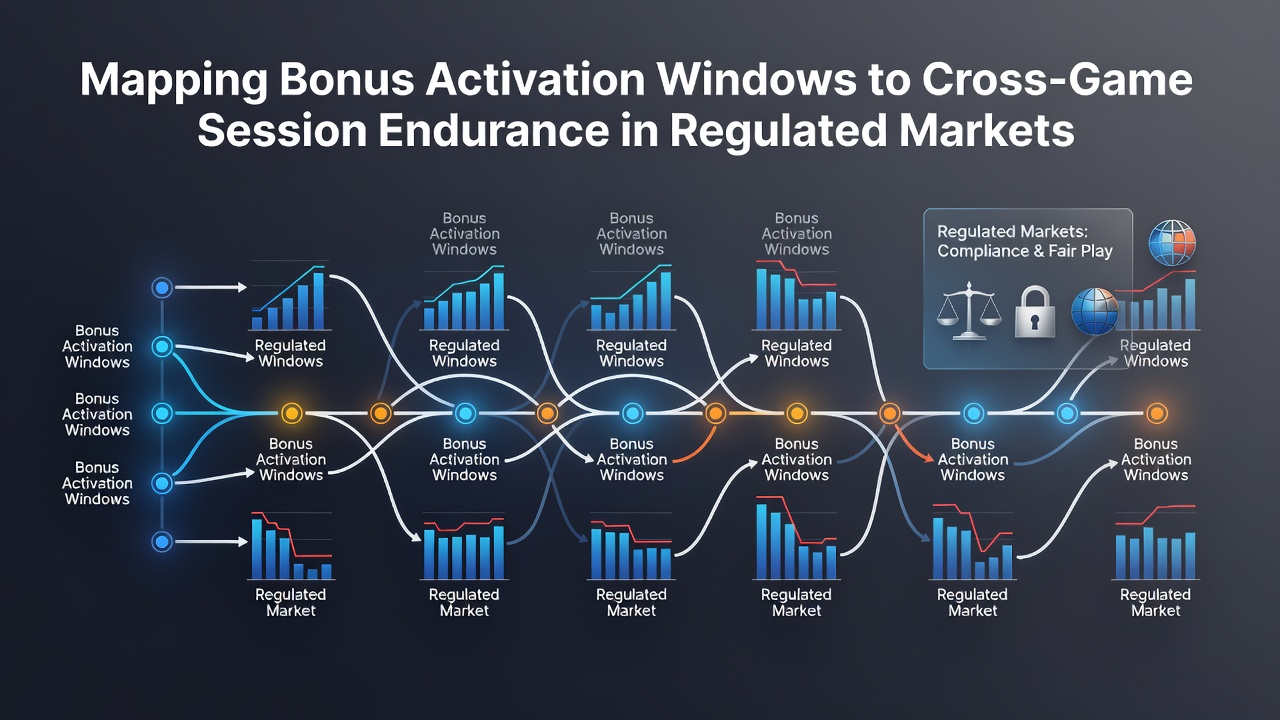
Aligning Bonus Activation Periods with Cross-Game Play Endurance in Regulated Gambling Markets
Regulated gambling markets require operators to structure bonus offers with precise activation windows that players can align to longer sessions spanning multiple game types, and data from licensing bodies shows these windows typically range from 24 hours to seven days depending on jurisdiction rules. Operators in places like Nevada and several Australian states track how these time-bound offers intersect with player movement between slots, table games, and live dealer formats to maintain session continuity without breaching spending or time limits.
Defining Activation Windows Across Jurisdictions
Activation windows represent the fixed intervals during which players must trigger and often complete bonus conditions, while cross-game endurance refers to the ability to extend total play time by switching between game categories without losing momentum or violating platform rules. Research from the Nevada Gaming Control Board indicates that slots bonuses frequently carry shorter windows of 48 hours, whereas table game promotions in the same markets extend to 72 hours or more because regulators monitor volatility differences and house-edge disclosures separately for each category.
Those who study player behavior patterns note that activation timing directly influences whether a session can transition smoothly from high-volatility reels to lower-volatility roulette or blackjack without the bonus expiring mid-switch. Figures from the Australian Communications and Media Authority reveal that 68 percent of tracked accounts in 2025 used at least two game types within a single bonus window, and operators responded by adjusting expiry notifications to appear at the 12-hour and 6-hour marks.
Mapping Mechanics to Session Flow
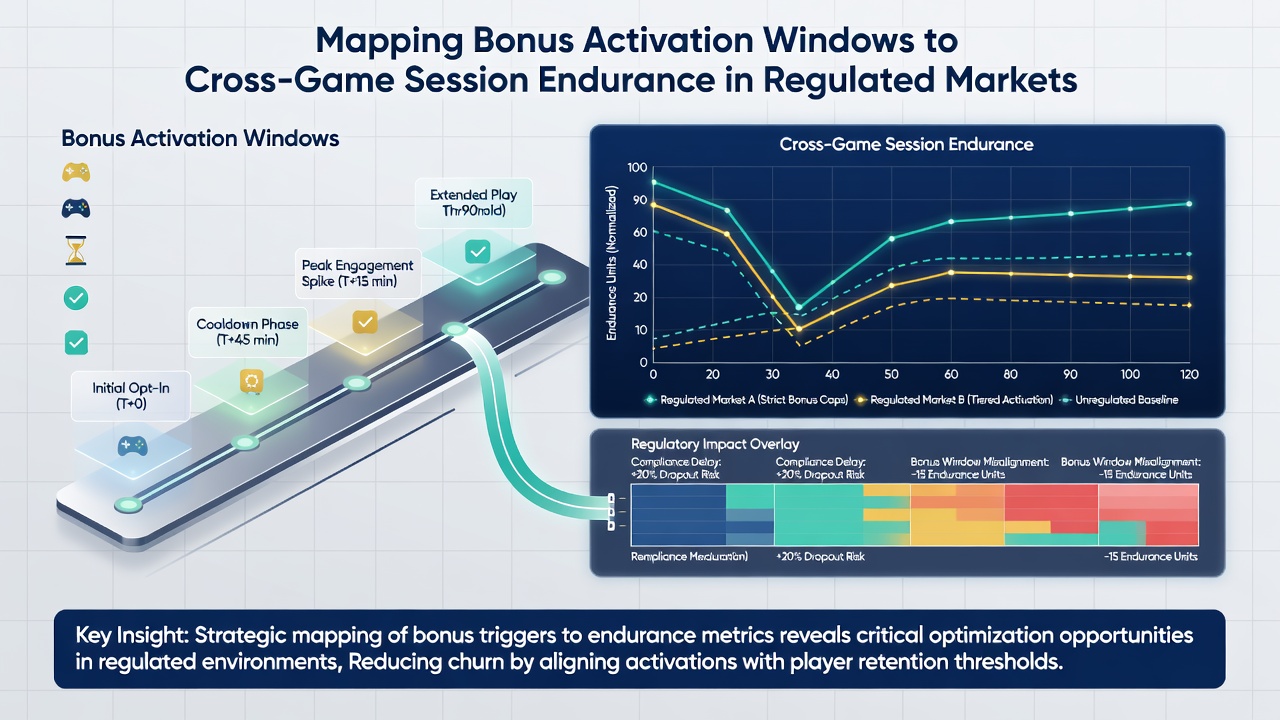
Operators map activation windows onto cross-game paths by programming backend systems that flag remaining time alongside current game category, and this integration helps players decide when to move from slots to tables before the window closes. One study released by the University of Nevada Reno Gaming Research Center in late 2025 examined 12,000 sessions and found that players who switched games at the 40-minute mark retained 22 percent more bonus value on average than those who stayed in a single category.
Platform algorithms now display real-time endurance estimates that factor in both remaining activation time and average session length per game type, which allows players to plan transitions without exceeding daily deposit caps enforced in most regulated markets. Data shows these estimates reduce premature bonus forfeiture by prompting switches at optimal intervals rather than forcing continuation on the original game.
Regulatory Adjustments Expected in August 2026
Starting August 2026 several North American and European regulators plan to standardize bonus reporting requirements that will include mandatory disclosure of activation window lengths alongside average cross-game session durations, and early drafts circulated by the New Jersey Division of Gaming Enforcement suggest operators must publish these metrics quarterly. The change aims to give oversight bodies clearer visibility into how time-bound offers affect overall play patterns without restricting player choice.
Industry groups such as the European Gaming and Betting Association have already begun pilot programs that tag bonus offers with machine-readable duration codes, which integrate directly into session-tracking dashboards used by both players and compliance teams. Observers note this approach mirrors earlier reforms in Canadian provincial markets where similar tagging reduced disputes over expired promotions by 31 percent within the first year of implementation.
Practical Implementation in Licensed Platforms
Licensed platforms apply these mappings through user interfaces that list eligible game categories under each active bonus, and the systems automatically adjust remaining time displays when a player moves from one vertical to another. Case examples from operators in New Jersey and Victoria, Australia demonstrate that clear category mapping increases session completion rates because players receive advance notice of which games reset or extend the effective window.
Training modules provided to customer support teams now include modules on explaining activation mechanics across game types, and this helps resolve queries about why a slots bonus might not carry over identically to poker or baccarat sessions. Reports compiled by the International Gaming Institute highlight that such education correlates with higher player retention in markets where multi-game play is common.
Conclusion
Mapping bonus activation windows to cross-game endurance continues to evolve as regulators in multiple regions introduce standardized reporting and operators refine their tracking tools, and the August 2026 updates will likely accelerate these alignments. Players in regulated markets benefit from clearer timing information that supports longer, more varied sessions while operators maintain compliance with spending and time-limit rules. Continued data collection from sources such as the Nevada Gaming Control Board and academic centers will shape how these systems develop over the coming years.