Aligning Promotional Timelines with Cross-Game Bankroll Tactics in Hybrid Casino Operations
Written by Parker Schröder · Jun 16, 2026
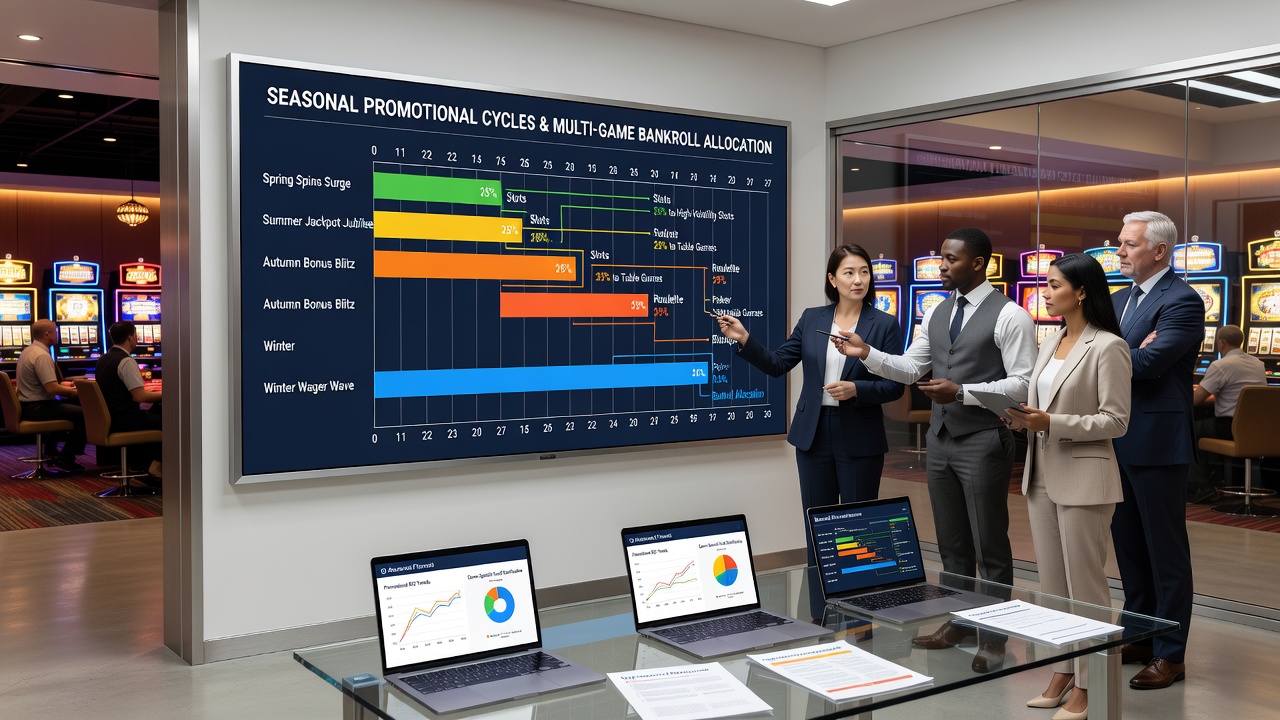
Aligning Promotional Timelines with Cross-Game Bankroll Tactics in Hybrid Casino Operations
Hybrid casino environments combine physical and digital platforms where operators coordinate seasonal promotional cycles with multi-game bankroll allocation to maintain steady player engagement throughout the year and data from industry analyses shows that synchronized timing between holiday-driven offers and bankroll distribution across slots, table games, and live dealer options produces measurable shifts in session lengths and wager volumes.
Understanding Seasonal Promotional Structures
Seasonal promotions in hybrid settings typically follow calendar events such as summer tournaments, autumn loyalty boosts, and winter holiday multipliers, and researchers tracking these patterns note that casinos adjust bonus structures every quarter to align with player migration between game types. Operators often release free spin packages tied to slot volatility during peak summer months while simultaneously offering table game rake reductions that encourage bankroll transfers from digital slots to live blackjack rooms, and this layering allows players to move funds without resetting progress toward tiered rewards.
Figures from regulatory filings indicate that promotional calendars released in advance help stabilize revenue streams, whereas last-minute adjustments correlate with uneven bankroll deployment across game categories. Those who monitor player databases observe that participants who receive coordinated offers maintain higher average balances when moving between high-volatility slots and lower-risk roulette variants, and this movement becomes more pronounced during extended promotional windows that span multiple weeks.
Multi-Game Bankroll Allocation Methods
Bankroll allocation across multiple games requires dividing available funds according to volatility profiles and promotional incentives, and experts tracking hybrid platforms report that successful strategies often segment capital into percentages dedicated to slots, tables, and jackpot pursuits. During periods when seasonal bonuses favor one category, players frequently reallocate portions of their bankroll to capture value, such as shifting 40 percent of funds toward table games when promotional rakeback rates increase while reserving the remainder for slot sessions that trigger additional free play.
Studies of transaction logs reveal that players who apply percentage-based allocation rather than fixed amounts experience fewer interruptions when crossing between digital and physical environments, and this approach accommodates the variable payout rhythms of different games. Hybrid systems track these transfers in real time, allowing operators to adjust promotional triggers based on where bankrolls concentrate at any given moment.
Integration Challenges in Hybrid Settings
Hybrid casinos face distinct coordination issues because digital interfaces update promotional content instantly while physical floors require printed materials and staff briefings, and observers note that misalignment between these channels leads to fragmented bankroll usage. When a seasonal slot tournament launches online two weeks before equivalent table promotions appear on the casino floor, players tend to concentrate funds in one area until the second offer activates, creating temporary imbalances that affect overall session continuity.
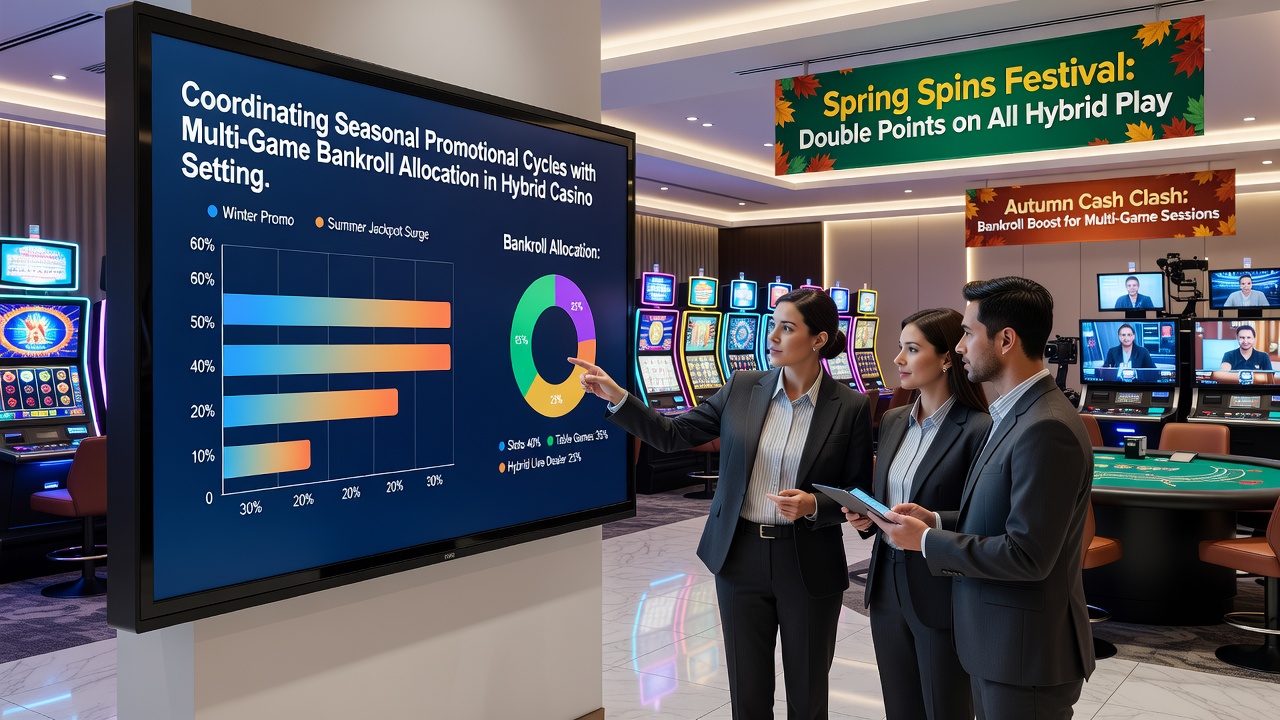
Data compiled by the Nevada Gaming Control Board shows that venues with unified backend systems achieve smoother transitions, and these platforms automatically sync promotional calendars so that bankroll allocation tools reflect current offers across all game types. Without such integration, players often maintain separate digital and physical bankrolls, which reduces the effectiveness of seasonal campaigns that aim to encourage cross-game movement.
Coordination Strategies and Timing
Effective coordination begins with mapping promotional cycles onto bankroll allocation models months in advance, and reports from the Canadian Gaming Association highlight venues that pre-schedule fund distribution rules tied to upcoming events. For instance, a spring campaign might direct 30 percent of bankrolls toward progressive slots during the first two weeks while allocating the remaining portion to poker tournaments that begin mid-cycle, and this staggered release keeps players engaged without exhausting any single game category.
June 2026 marks a period when several North American and European operators plan synchronized updates to their hybrid platforms, incorporating predictive analytics that forecast bankroll migration patterns based on historical seasonal data. These systems adjust promotional intensity in response to real-time allocation trends, allowing casinos to boost offers in underutilized game segments before player balances shift entirely.
Those who implement these models report that combining calendar planning with dynamic allocation reduces periods of low activity, and the approach proves especially useful in markets where regulatory changes affect bonus structures at predictable intervals. Players benefit when tools display suggested fund splits that account for both current promotions and upcoming seasonal shifts.
Practical Examples from Operational Data
One documented case involved a hybrid operator that aligned its autumn harvest-themed slot promotions with simultaneous blackjack side bet bonuses, resulting in documented increases in cross-game transfers according to internal metrics. Players who followed suggested allocation percentages maintained longer overall sessions compared with those who concentrated funds in promoted categories only, and the pattern repeated across multiple properties using similar coordination methods.
Another example comes from facilities that introduced winter holiday bankroll trackers, which automatically recommended reallocations when seasonal table game promotions launched two weeks after slot offers. Transaction records showed that participants using these trackers distributed funds more evenly, avoiding the concentration spikes that previously occurred when promotions activated sequentially rather than in coordinated waves.
Conclusion
Coordinating seasonal promotional cycles with multi-game bankroll allocation in hybrid casino settings relies on synchronized timing, unified tracking systems, and percentage-based distribution models that adapt to changing incentives. Industry reports and regulatory data demonstrate that venues achieving this alignment observe steadier player engagement across game types throughout the year, and upcoming platform updates scheduled around June 2026 are expected to further refine these processes through predictive tools. Operators and players alike gain from approaches that treat promotions and bankrolls as interconnected elements rather than separate functions.