Architecting Seamless Transitions Between Automated Reel Play and Interactive Dealer Tables
Written by Jakob Ludwig · Jun 2, 2026

Architecting Seamless Transitions Between Automated Reel Play and Interactive Dealer Tables
Operators design integrated casino environments where automated reel play flows directly into interactive dealer table sessions, and this architecture relies on synchronized systems that track player activity across both formats without interruption. Research from the University of Nevada Reno indicates that such setups reduce session drop-off rates by connecting slot machine interfaces with live table entry points through unified loyalty platforms.
Core Components of Integrated Casino Systems
Automated reel machines operate on random number generators that deliver rapid outcomes while interactive dealer tables combine video streams with real-time human interaction, yet the transition between these requires middleware that preserves account balances and game history in a single database. Observers note that software providers build APIs allowing instant credit transfers from reel-based wallets to table chip stacks, and this linkage prevents players from experiencing delays when they decide to switch formats mid-session.
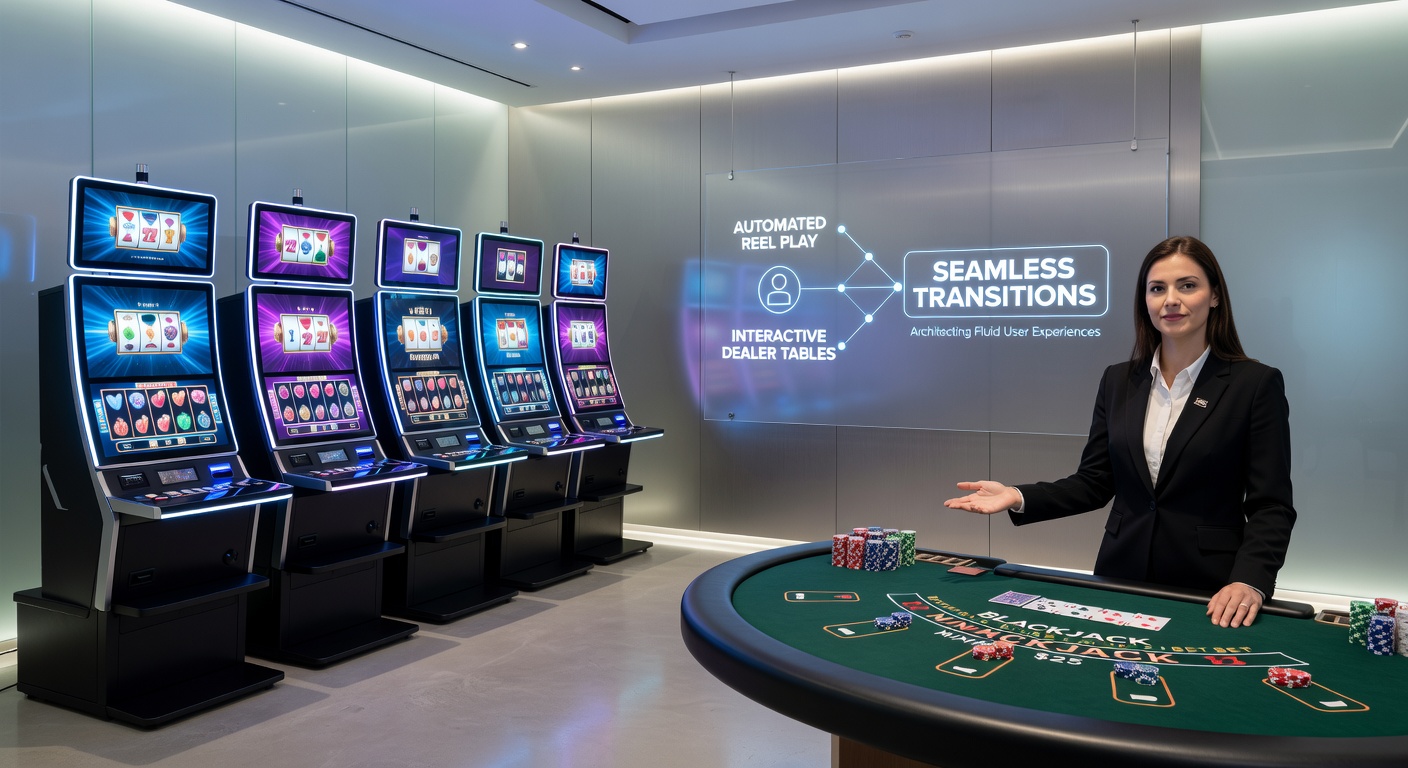
Hardware placement follows patterns where reel banks sit near table pits, and digital kiosks positioned at the boundaries display available dealer tables with live occupancy data. Those who've studied casino flow patterns report that strategic positioning cuts physical movement time by up to 40 percent, according to operational reports from major North American properties.
Player Account and Bankroll Continuity
Unified player accounts maintain a central balance that updates across reel machines and dealer tables in real time, while progressive jackpot meters from slot play carry over when players enter table games through linked promotions. Data from the American Gaming Association shows that properties using these unified ledgers record longer overall visit durations because players avoid the friction of separate logins or manual transfers.
Session timers and responsible play alerts remain consistent regardless of format, and this continuity stems from backend rules engines that apply the same parameters to both automated and live environments. Researchers at Canadian academic institutions have documented that consistent alert timing helps players maintain awareness of elapsed time even as they move between high-speed reels and slower-paced table decisions.
Technological Enablers and Operational Protocols
Cloud-based platforms handle the heavy lifting by syncing reel outcomes with table management systems, and this integration allows dealers to see incoming players from reel areas through dashboard notifications. Security protocols encrypt transaction data during format switches, and testing by independent labs confirms that these layers prevent balance discrepancies that once disrupted play flow.
Staff training programs emphasize recognition of transition moments, so floor supervisors guide players at key points without breaking momentum. Properties in Australia have implemented similar models where reel-to-table handoffs occur through RFID-enabled player cards, and figures reveal measurable increases in table utilization after deployment.
Regulatory Alignment Across Jurisdictions
Compliance frameworks in multiple regions require that transition features undergo testing for fairness and transparency, and operators submit documentation showing that automated reel results feed accurately into live table records. By June 2026 several North American and European markets expect updated technical standards that address cross-format data integrity, prompting vendors to refine their middleware ahead of deadlines.
Industry groups such as the European Gaming and Betting Association publish guidelines on maintaining audit trails during these switches, and adherence ensures that regulatory reviews focus on player protection rather than technical gaps. Those monitoring compliance trends note that early adoption of robust transition architecture positions operators favorably when new rules take effect.
Measuring Effectiveness Through Performance Data
Analytics dashboards track transition frequency and subsequent play duration, revealing that players who move from reels to tables within the same session generate higher theoretical win percentages for the house. Case studies from integrated resorts demonstrate that optimized pathways increase table game occupancy without cannibalizing reel revenue, and this balance arises because the systems present contextual offers based on recent reel activity.
Feedback loops from player behavior data refine the timing and presentation of transition prompts, and iterative adjustments continue as new dealer table variants enter rotation. What's significant is that properties sharing anonymized datasets through trade associations accelerate collective improvements in transition design across the sector.
Conclusion
Architecting seamless transitions requires coordinated hardware placement, unified account systems, and tested software protocols that together create uninterrupted play experiences. Continued refinement through performance metrics and regulatory updates will shape how these connections evolve in coming years, with data-driven adjustments guiding further integration across global casino operations.