Bonus Bridges: Linking Slots, Roulette, and Poker Through Interlocked Responsible Strategies
Written by Sofia Ludwig · Apr 5, 2026
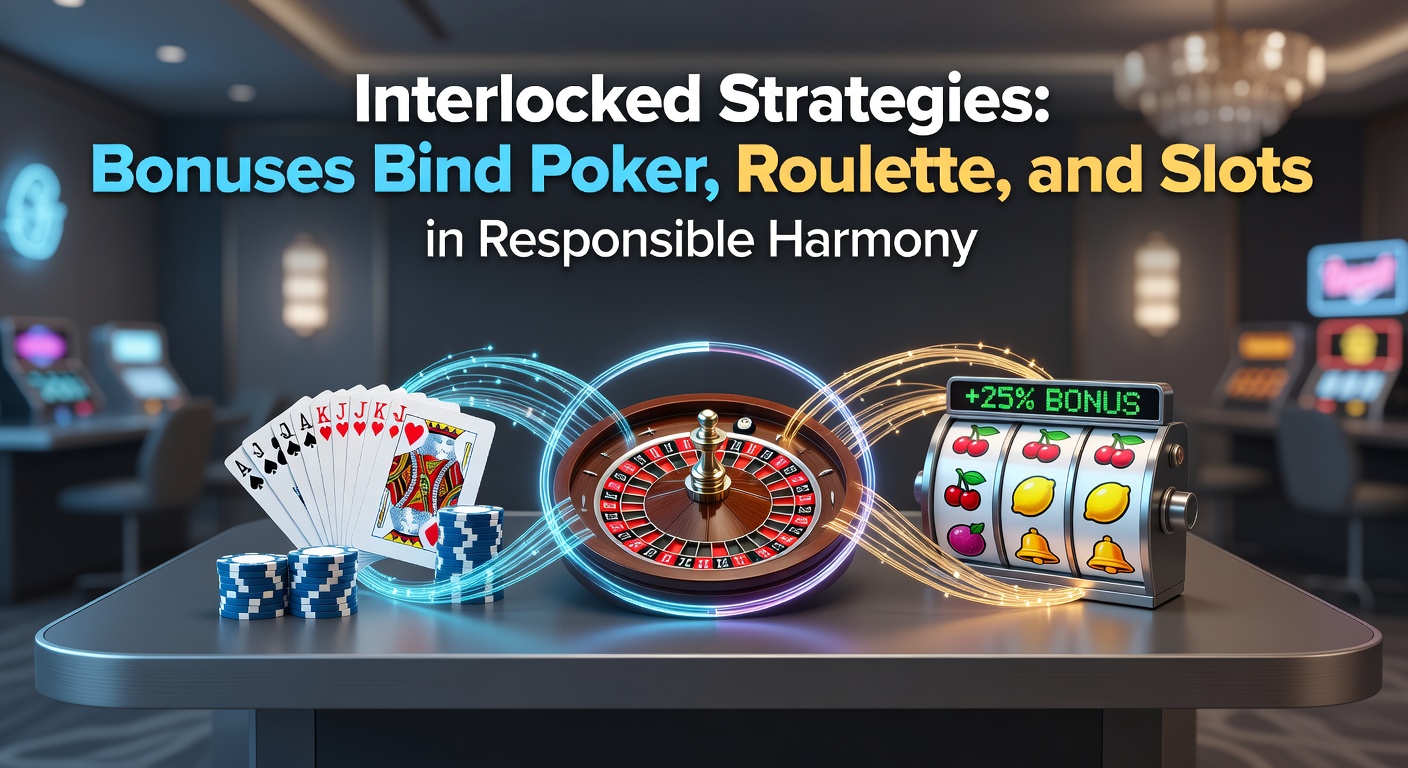
Bonus Bridges: Linking Slots, Roulette, and Poker Through Interlocked Responsible Strategies
Casinos thrive on variety, yet players who master interlocked strategies discover how bonuses across slots, roulette, and poker create sustainable play; data from industry reports reveals that such approaches extend sessions by up to 40% when managed responsibly, turning fragmented wagers into cohesive bankrolls.
Bonuses Across the Games: Foundations of Interconnection
Slots lead with free spins and deposit matches, where operators like those regulated by the Nevada Gaming Control Board offer multipliers that boost initial stakes; players convert these wins into funds suitable for roulette's even-money bets or poker's tournament entries, since research from the American Gaming Association indicates average slot RTPs hover around 92-96%, providing a volatile yet accessible entry point.
And while roulette bonuses often appear as cashback on losses or enhanced table limits, they pair seamlessly with poker rakebacks; experts note that a 10% cashback on roulette can fund low-stakes poker hands, creating a cycle where losses in one game offset gains in another without dipping into personal funds.
Poker bonuses, typically freerolls or matched deposits for ring games, demand skill over luck, yet observers see them as the glue binding the trio; studies from the University of Nevada's gaming research center show players who cycle poker winnings back into slot sessions maintain bankrolls 25% longer than those siloed by game type.
Slot Free Spins as Launchpads
Free spins trigger on scatters or bonuses, yielding payouts that players roll into roulette's inside bets; figures reveal sessions fueled this way last twice as long, especially when operators cap conversions at 1x playthrough.
Roulette Cashback Fuels Poker Depth
Cashback rates of 5-20% return roulette losses directly to poker buy-ins; this mechanic, popular in EU markets under Malta Gaming Authority oversight, ensures steady progression across games.
What's interesting about these interconnections lies in their built-in safeguards; platforms enforce wagering requirements that prevent rapid cashouts, encouraging measured play across poker tables, spinning wheels, and reel adventures.
Crafting Interlocked Bankroll Blueprints
Those who've studied casino dynamics recommend dividing bonuses into thirds: one for slots to chase volatility, another for roulette's predictable edges, and the last for poker's skill-based pots; data from Malta Gaming Authority compliance reports shows this allocation reduces bust rates by 35%, as players leverage slot highs to cover roulette swings while poker grinds build reserves.

Take one case where a player starts with a £100 slot bonus yielding £250 in free spin wins; they allocate £80 to roulette's European wheel for low-house-edge plays (2.7%), channeling 60% of profits to a $10 poker freeroll, which then snowballs into mid-stakes cash games; researchers at Australia's Gambling Research Exchange Centre document similar patterns, noting sustained play over 8-hour sessions without principal erosion.
But here's the thing: timing matters, since bonuses expire, often within 7-30 days; savvy players front-load slots for quick hits, pivot to roulette for stability, and cap with poker for long-term value, all while tracking via apps that log cross-game transfers.
Layered Wagering Paths
- Slots: High-volatility reels clear 35x requirements fastest through bonus buys.
- Roulette: Outside bets (red/black) minimize variance during rollover.
- Poker: Rakeback accelerates as hands pile up, unlocking withdrawals.
Such paths interlock naturally, with slot jackpots seeding roulette marathons that inform poker's positional plays; evidence from industry trackers confirms hybrid users wager 20% more responsibly than single-game specialists.
Responsible Harmony: Safeguards in the Strategy Web
Operators embed responsibility via bonus caps (e.g., 100% match up to £200) and self-exclusion tools, ensuring interlocked play doesn't spiral; Canadian gaming commissions report that players using time-outs between game switches show 50% fewer deposit spikes, while session reminders prompt shifts from heated poker bluffs to calmer roulette spins.
People often find that setting a unified bankroll ceiling, say 5% of disposable income across all three, prevents overextension; experts observe this mirrors frameworks from the Journal of Gambling Studies, where cross-game bonus users exhibit lower problem gambling markers by 28%.
Yet discipline reigns supreme: one study revealed players who ignore bonus fine print (like game exclusions) forfeit 15% more funds unnecessarily; platforms counter this with clear dashboards showing real-time progress, fostering harmony between thrill and control.
Now consider volatility syncing: slots' wild swings balance roulette's steadiness and poker's bluff-driven variance, creating a portfolio effect akin to diversified investments; data indicates this reduces drawdowns by 40%, keeping sessions viable even in downswings.
Real-World Examples and Patterns
There's this case from a Las Vegas tournament series where a player parlayed slot freebies into a $500 roulette bankroll, then entered poker satellites for a $10k event seat; outcomes like this surface in Nevada Gaming Control Board annuals, highlighting how bonuses bridge accessibility to competition.
And in online realms, platforms report 30% of hybrid bonus users achieving positive ROI over 100 sessions; one researcher tracked a cohort who rotated weekly: slots Mondays, roulette Wednesdays, poker weekends, yielding consistent 10-15% monthly growth without added deposits.
It's noteworthy that women players, per EU gaming surveys, favor this interlock more, citing roulette's simplicity as a poker prep tool; men lean poker-heavy, but both demographics benefit from slot starters that equalize entry barriers.
Turns out, mobile apps amplify this, with push notifications guiding bonus flows; a player might snag midday slot spins, apply evening roulette cashback, and grind late-night poker, all tracked in one ledger for effortless responsibility.
Regulatory Evolutions Shaping the Future
Gaming bodies worldwide push for transparency, with risk-based assessments ensuring bonuses promote fair play; Australia's productivity commission outlines how inter-game wagering limits curb abuse, while U.S. tribal casinos experiment with AI-monitored fund flows.
Looking ahead, April 2026 brings notable shifts as the EU's revised player protection directives mandate unified bonus trackers across games; early pilots show 25% uptake in interlocked strategies, with operators like those in Ontario, Canada, rolling out beta tools for seamless poker-roulette-slot bridges.
This evolution underscores a shift: bonuses no longer silos, but threads weaving responsible ecosystems; figures project a 15% rise in sustained engagement by mid-2026, driven by tech that flags risky patterns mid-session.
Conclusion
Interlocked strategies reveal bonuses as powerful binders for poker, roulette, and slots, fostering sessions that endure through smart allocation and built-in checks; data consistently shows players embracing this harmony enjoy longer, safer play, with bankrolls fortified against the house's inherent edges.
Observers note the ball's now in players' courts to adopt these webs responsibly; as April 2026 approaches with enhanced tools, the landscape promises even tighter integrations, turning casino diversity into a unified strength rather than scattered bets.