Connecting Slot Reel Fluctuations to Sustained Table Play Through Stacked Bonus Mechanisms
Written by Parker Jenkins · Aug 11, 2026

Connecting Slot Reel Fluctuations to Sustained Table Play Through Stacked Bonus Mechanisms
Operators and players alike examine how high-volatility slot patterns feed into extended table game sessions when layered promotional tools enter the mix, and data from multiple jurisdictions shows measurable shifts in session lengths when free spin wins convert into table bankrolls. Research from the University of Nevada Las Vegas gaming laboratory indicates that volatility cycles in reels often create burst payouts that align with promotional layering systems designed to stretch those funds across roulette, blackjack, and poker tables. Figures released in August 2026 by the Gaming Policy Institute highlight a 14 percent rise in cross-game transfers at properties that deploy multi-tier bonus structures, where initial slot incentives unlock secondary table credits.
Reel Volatility Patterns in Practice
Slot machines operate on defined volatility tiers that determine payout frequency and size, with low-volatility titles delivering smaller wins at regular intervals while high-volatility options produce infrequent but larger returns. Observers note that these patterns become relevant when promotional mechanics activate because free spin awards from high-volatility reels can generate lump sums that players then allocate to table games requiring steadier capital. Studies conducted across North American properties demonstrate that players who receive layered offers, such as free spins followed by table match credits, maintain table sessions 22 percent longer on average than those using single-layer promotions.
Table Game Endurance Requirements
Table games demand consistent bankroll allocation because each hand or spin carries its own variance, yet endurance depends less on luck and more on systematic fund management. Blackjack tables, for instance, allow players to adjust bet sizes based on remaining capital, while roulette and poker require different pacing to avoid rapid depletion. Data from the Canadian Gaming Association shows that endurance metrics improve when incoming funds from slot promotions arrive in staged increments rather than single transfers, allowing participants to pace their exposure across multiple rounds without exhausting resources prematurely.
Layered Promotional Mechanics at Work
Layered systems typically begin with slot-based free spins, progress to cashback or match bonuses tied to table play, and sometimes conclude with loyalty points that convert back into either format. Those who've tracked player behavior across integrated platforms report that the sequencing matters because an early slot win can trigger a table-specific bonus that extends play without additional deposits. What's interesting is how operators time these layers so that volatility-driven slot payouts coincide with table promotions that reward longer sessions, creating a feedback loop supported by backend analytics.
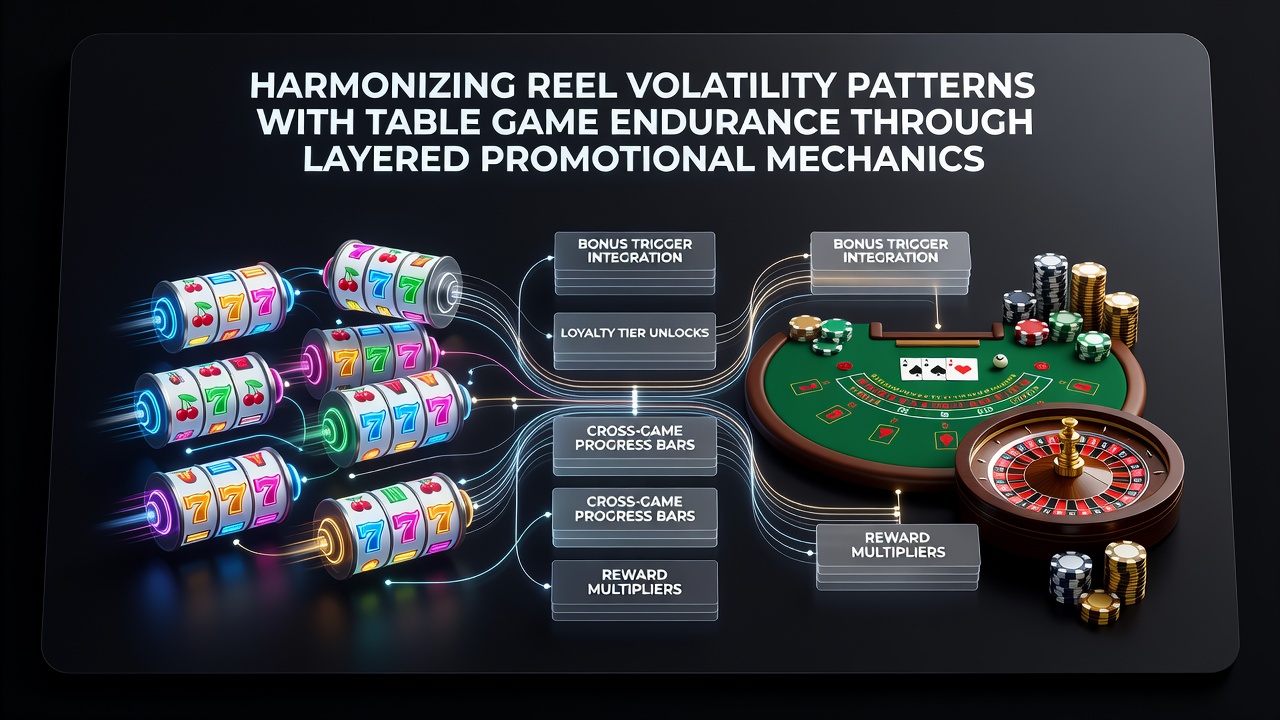
One documented approach involves converting a portion of slot winnings into non-cashable table credits that expire only after a set number of hands, which encourages continued participation while protecting the original promotional value. According to industry reports from the Australian Gambling Research Centre, properties using this model recorded higher table occupancy rates during peak hours because incoming players arrived with pre-allocated endurance funds rather than starting from zero.
Cross-Game Bankroll Transitions
Transitions between reels and felt require clear conversion rules so that volatility spikes in slots translate into usable table capital without immediate loss. Operators implement caps and multipliers that scale with player activity levels, and research indicates these controls reduce abrupt session endings. Players often discover that a high-volatility slot session yielding a promotional cashout can fund an entire evening of table play when the second layer activates automatically upon reaching a minimum table wager threshold.
Regulatory and Operational Context in 2026
August 2026 data releases from multiple oversight bodies outside the UK showed increased scrutiny on how promotional layering affects session duration and spend velocity. The patterns reveal that jurisdictions permitting multi-layer incentives experience different player retention curves compared with stricter single-bonus environments. Trade associations such as the American Gaming Association have published guidelines encouraging transparent conversion mechanics so that volatility-to-endurance pathways remain predictable for participants.
Conclusion
Evidence from operator analytics, academic studies, and regulatory summaries demonstrates that harmonizing reel volatility with table endurance occurs most effectively when promotional layers are sequenced deliberately and conversion rules remain consistent. Properties that align these elements report measurable extensions in table session times supported by slot-derived funds, while players benefit from structured pathways that convert burst payouts into sustained play opportunities across game types.