Coordinating Reward Structures with Game Variance Across Multi-Title Casino Play
Written by Parker Jenkins · Jul 30, 2026
Coordinating Reward Structures with Game Variance Across Multi-Title Casino Play
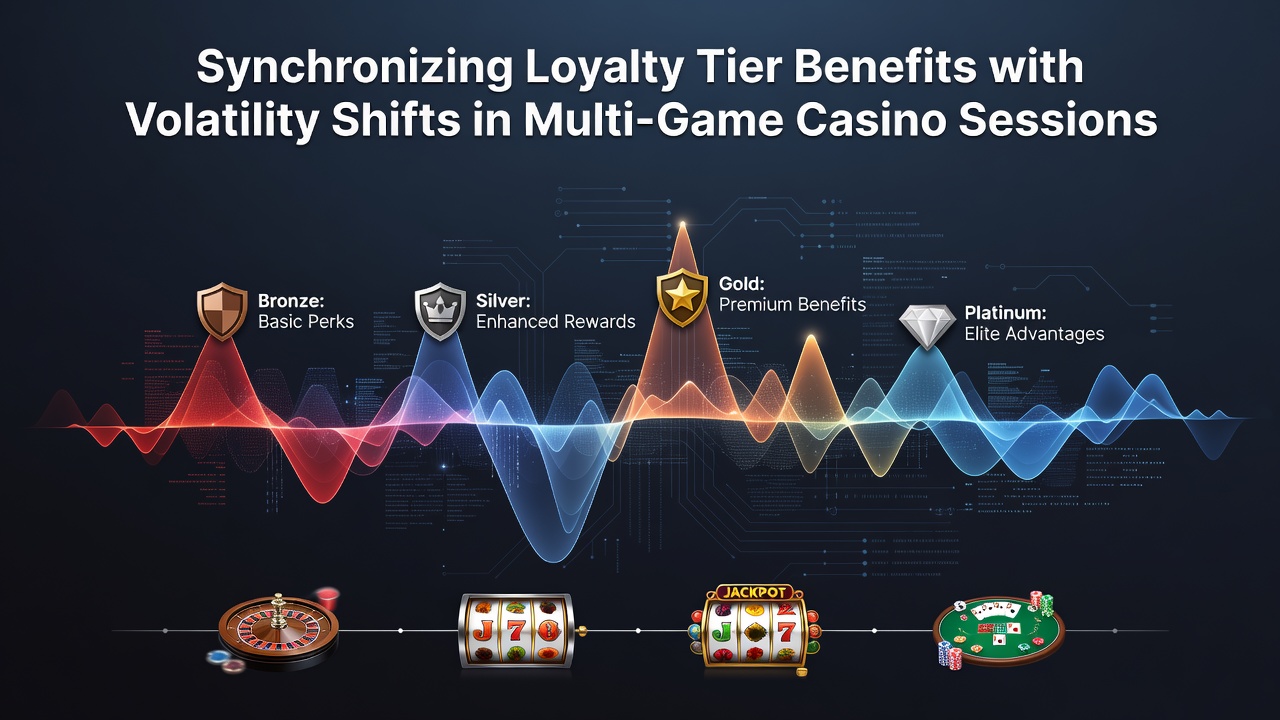
Operators track how players move between high-volatility slots and lower-variance table games within single visits, and they adjust loyalty tier benefits accordingly so that point accrual rates, cashback percentages, and comp values remain aligned with the actual risk exposure each session creates. Data from multiple jurisdictions shows that sessions spanning three or more game categories often produce distinct volatility patterns, which loyalty systems now monitor in real time through integrated player tracking platforms.
Defining Volatility in Casino Contexts
Volatility refers to the statistical spread between frequent small outcomes and infrequent large payouts across individual titles, and researchers at institutions such as the University of Nevada, Reno have documented how this metric influences session length and wager sizing. Slots with high variance generate larger standard deviations in return-to-player results per spin, whereas blackjack and roulette typically display tighter distributions when basic strategy is applied consistently. Loyalty programs therefore assign different point multipliers to game types to prevent players from accumulating rewards disproportionately during low-volatility stretches while still recognizing extended play across mixed offerings.
How Tier Benefits Shift with Game Transitions
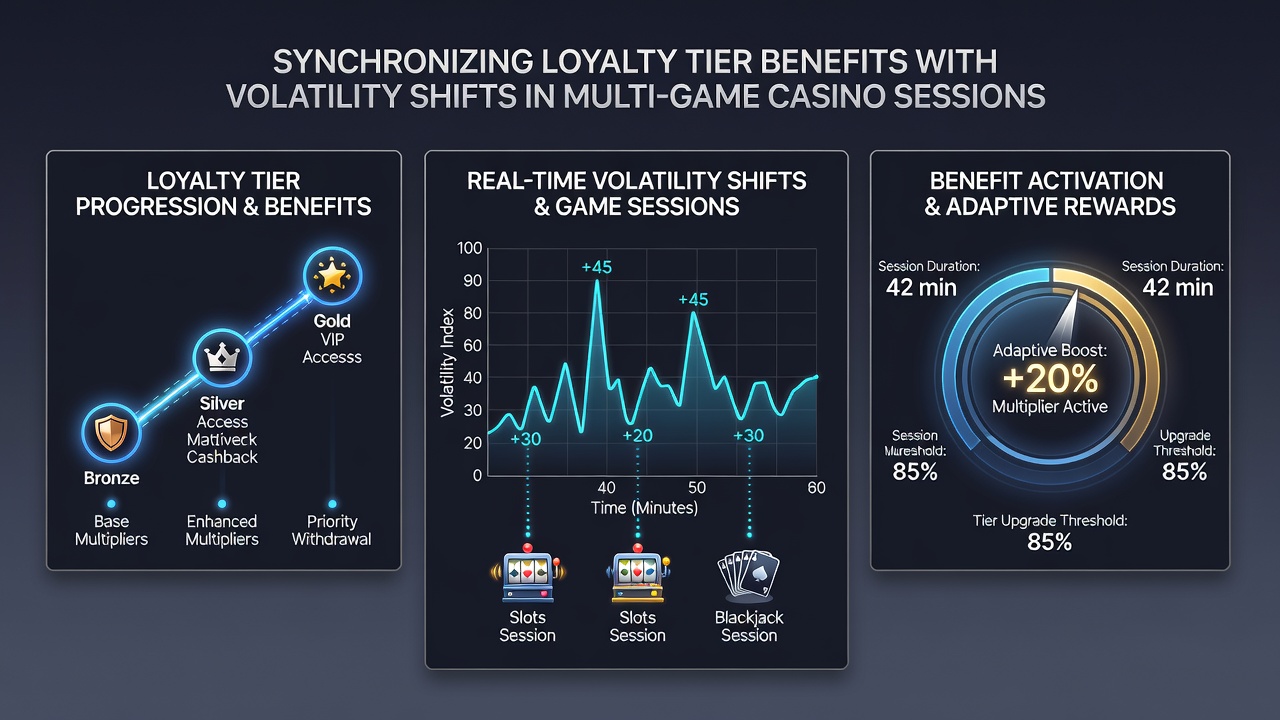
Modern systems calculate an average volatility score for each active session by weighting teh mathematical variance of every game played against the time spent on that title, and they recalibrate comp offers every fifteen minutes when the score crosses predefined thresholds. A player who begins on penny slots and later migrates to live dealer blackjack sees the cashback percentage on losses adjust downward because the lower variance reduces overall risk to the operator, yet the same player may retain access to higher-tier event invitations if total theoretical loss remains above the tier threshold. Industry reports from the American Gaming Association indicate that such dynamic adjustments have increased retention rates among multi-game participants by measurable margins in properties that implemented the feature before 2025.
One observed pattern involves players who deliberately alternate between high-volatility progressive jackpot machines and steady-earning video poker terminals, and loyalty engines now detect these patterns to apply blended reward rates rather than awarding the maximum benefit associated with either extreme. This prevents point inflation while still delivering value that matches the combined volatility profile.
Technical Integration of Tracking Systems
Casino management platforms connect slot floor servers with table game pit terminals through centralized databases that log every wager and outcome, and algorithms then compute rolling volatility indexes that feed directly into the loyalty module. When a July 2026 software update rolled out across several major chains, the new code introduced machine-learning components capable of predicting volatility drift up to thirty minutes in advance based on historical player movement data. These predictions allow the system to pre-authorize tier-specific offers such as free play credits or dining vouchers before the player even reaches the next game category, reducing friction at the point of transition.
Player Behavior and Session Data
Studies conducted by the National Center for Responsible Gaming have shown that individuals who maintain consistent session lengths across multiple volatility levels tend to reach higher loyalty tiers faster than those who remain on a single game type, because the blended risk profile satisfies both volume and variance criteria simultaneously. Operators respond by offering tier-progression bonuses that explicitly reward cross-category play, such as extra points for completing a minimum number of hands at tables after accumulating spins on slots. The approach keeps theoretical loss calculations accurate while giving players clearer pathways to elevated status.
Figures from Australian gambling research centers reveal similar patterns in venues that operate both electronic gaming machines and traditional table pits, confirming that synchronized benefit structures correlate with longer overall visit durations without corresponding increases in problem-gambling indicators when proper limits remain in place.
Regulatory Considerations Across Regions
Regulators in Nevada and New Jersey require operators to maintain transparent documentation of how loyalty algorithms weight volatility when determining comp values, and they conduct periodic audits to verify that advertised benefits match actual delivery. These requirements ensure that players receive accurate information about how switching between game types affects their reward accumulation. European operators follow comparable transparency rules under national gaming authorities, which has prompted the adoption of standardized volatility disclosure formats that appear on digital player dashboards.
Conclusion
Loyalty programs continue to refine their volatility synchronization methods as player tracking technology advances, and current implementations demonstrate measurable improvements in both operational efficiency and player satisfaction metrics. By linking tier benefits directly to the variance profile of each multi-game session, operators create reward structures that reflect actual risk exposure while maintaining competitive differentiation across properties. Ongoing data collection from multiple jurisdictions will likely shape further refinements in the years ahead.