Coordinating Session Lengths in Reward Machines and Real-Time Formats
Written by Parker Jenkins · May 21, 2026
Coordinating Session Lengths in Reward Machines and Real-Time Formats
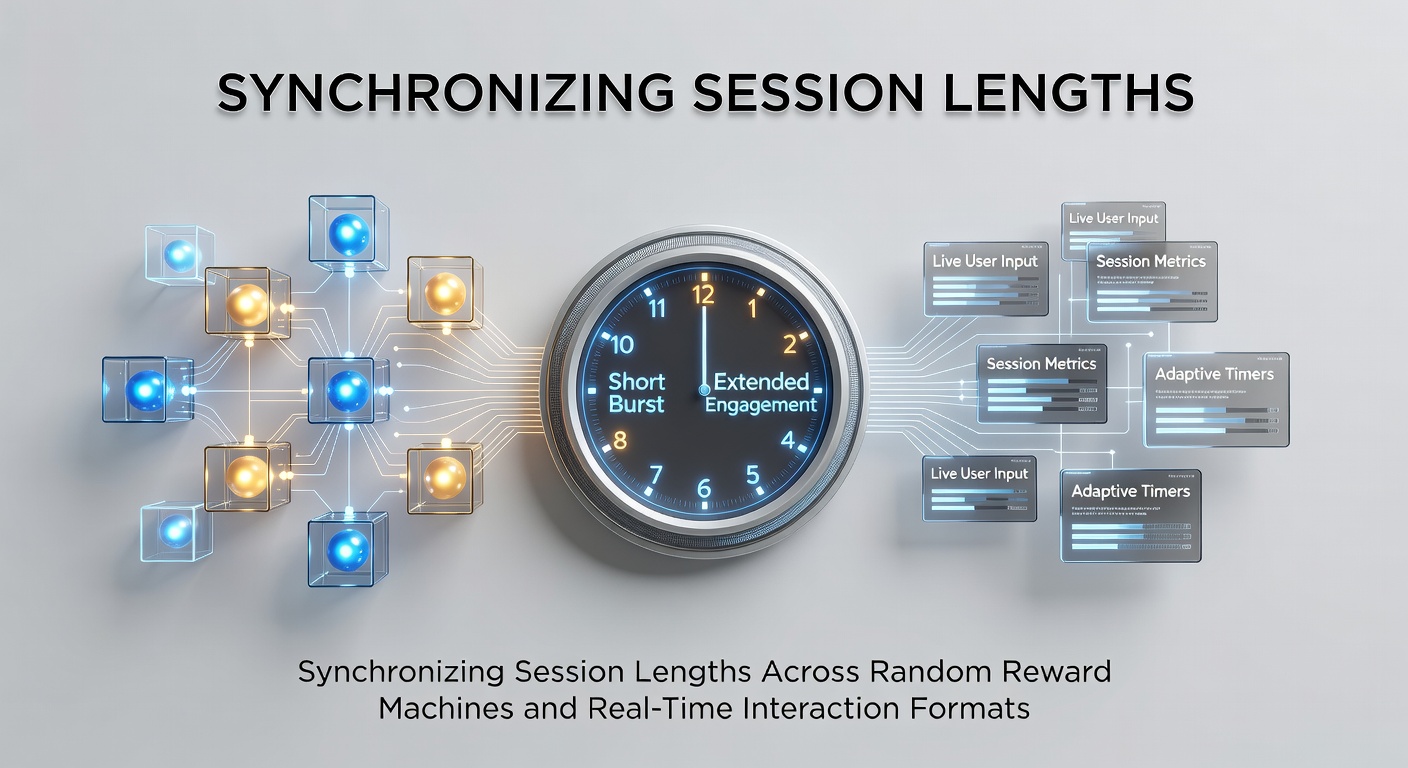
Operators in regulated gaming markets have developed methods to align session durations across automated reward machines and live interaction platforms. These approaches address technical demands from game engines while supporting consistent player engagement patterns. Data from industry reports indicates that mismatched session timings often lead to abrupt transitions between game types, which disrupts flow for participants who move between slots and table environments. Random reward machines operate on algorithms that determine spin intervals and payout cycles without fixed endpoints. Real-time interaction formats, by contrast, rely on human dealers and streaming protocols that introduce variable pacing. Synchronization efforts focus on establishing common parameters such as maximum idle periods and automated prompts that encourage continued play or breaks at comparable intervals. Studies from the University of Nevada's gaming research center show that uniform session markers reduce technical latency when players switch between formats.Technical Foundations of Session Alignment
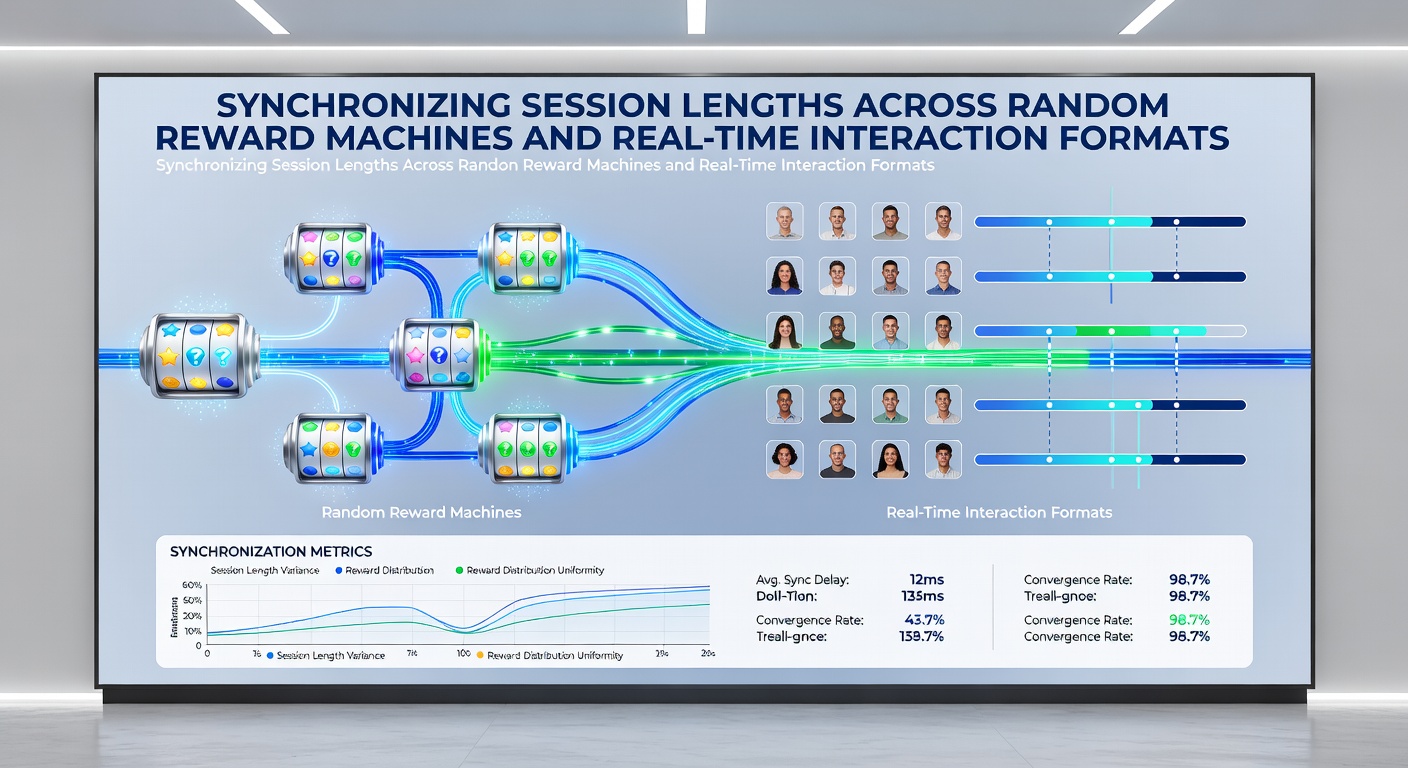
Session synchronization begins with backend software that monitors activity across disparate systems. Slot servers track reel spins and bonus triggers, while live platform APIs record dealer rounds and betting windows. Integration layers map these events to shared timers, allowing operators to apply consistent rules without altering core game mathematics. Engineers configure thresholds that trigger session summaries or balance checks at equivalent points in each format, creating a unified experience for the user.
Developers incorporate adaptive algorithms that adjust for differences in game speed. A sequence of rapid spins on a reward machine might equate to several live dealer hands in terms of total elapsed time. This mapping relies on historical play data rather than arbitrary cutoffs. Reports from the European Gaming and Betting Association highlight implementations where average session lengths converged within a five-minute window after such calibration.
Operational Benefits Observed in Multi-Format Environments
Venues that run both machine banks and live studios report smoother traffic flow when session lengths match. Players who finish a slot sequence can transition to a live table without encountering mismatched prompts about remaining time or account status. This coordination supports responsible gaming tools that apply uniformly, such as reality checks delivered at standardized intervals regardless of game type.
One documented case involved a North American operator that linked its random number generators with live-streaming software. The system flagged sessions exceeding 45 minutes and presented options to pause or review activity. Follow-up metrics revealed a measurable drop in rapid account reloads during extended play, according to internal analytics shared with regional regulators.
Regulatory and Standards Context
International bodies continue to examine how session synchronization intersects with player protection requirements. In May 2026, revised technical standards from the Australian Communications and Media Authority are expected to emphasize interoperability testing between automated and live systems. These guidelines focus on ensuring that any unified timer respects jurisdictional limits on continuous play without mandating identical game rules.
Compliance teams test synchronization protocols through simulated player journeys that span multiple game categories. Auditors verify that alerts appear at consistent elapsed times and that data logs capture transitions accurately. Such verification prevents situations where a player might bypass intended safeguards simply by switching formats.
Implementation Challenges and Solutions
Differences in network latency between local slot servers and remote live streams create one persistent hurdle. Operators address this by buffering session data on edge servers that normalize timestamps before applying rules. Another issue arises from varying regulatory definitions of a "session" across regions, which requires flexible configuration layers rather than rigid global settings.
Training for staff who monitor both machine floors and live tables emphasizes recognition of synchronized alerts. Dealers receive notifications through their interfaces at the same moments when nearby slot terminals display corresponding messages. This parallel communication supports consistent enforcement without additional manual oversight.
Future Directions in Cross-Format Coordination
Emerging platforms explore machine learning models that predict optimal session breakpoints based on aggregated behavior across formats. These models draw from anonymized datasets to suggest timing adjustments that maintain engagement while respecting operational constraints. Early trials in controlled environments indicate potential for further refinement before broader deployment.
Industry observers note that continued investment in unified dashboards will likely accelerate adoption. These tools allow floor managers to view session metrics from reward machines and live terminals on a single screen, facilitating quicker responses to any detected imbalances in timing.
Conclusion
Coordination of session lengths between random reward machines and real-time interaction formats represents a practical response to the demands of mixed gaming environments. Technical integration, operational consistency, and evolving standards together shape how operators maintain coherent experiences across platforms. As testing protocols advance and new benchmarks take effect, facilities that implement these alignments position themselves to meet both regulatory expectations and player movement patterns effectively.