From Slot Reels to Live Dealer Tables: Mastering Bankroll Transitions in Casino Streams
Written by Parker Schröder · Mar 18, 2026
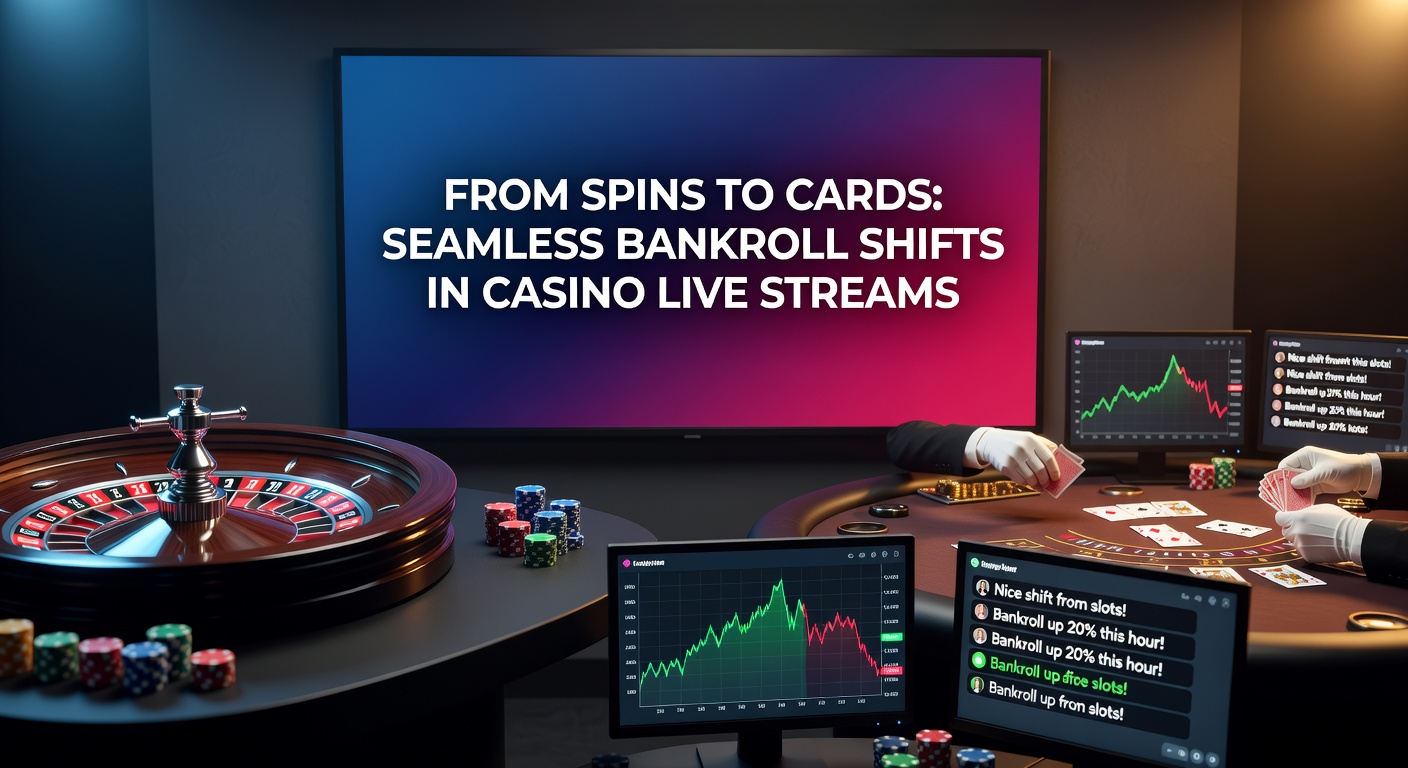
From Slot Reels to Live Dealer Tables: Mastering Bankroll Transitions in Casino Streams
The Rise of Fluid Bankroll Movement in Live Casino Environments
Live casino streams have transformed how players handle their funds, allowing seamless shifts from high-volatility slots to strategic card games like blackjack or baccarat, all within the same platform; observers note this integration exploded in popularity since 2020, as data from industry trackers reveals a 45% uptick in multi-game sessions. Platforms now enable instant transfers, meaning a winning spin on a slot can fuel a hand at the virtual table without delays or fees in many cases, and that's where the real efficiency kicks in.
Take one streamer who documented a session starting with £50 on Starburst slots, building to £200 before pivoting to roulette; such examples highlight how these shifts keep momentum alive, preventing the downtime that once plagued online play. Research from the American Gaming Association indicates that players engaging in bankroll transitions maintain sessions 30% longer than those sticking to single games, underscoring the appeal in live formats where dealers interact in real-time.
But here's the thing: this isn't just about convenience; regulatory frameworks in places like Nevada ensure these transfers comply with strict auditing, so funds move transparently across games, and players can track every penny via dashboards that log spins-to-cards journeys with precision.
How Seamless Shifts Actually Work Under the Hood
Casino platforms employ unified wallets that consolidate balances from slots, tables, and even live streams into one pot, letting users allocate portions dynamically—say, 60% to slots for quick wins, then redirect 40% to cards when volatility spikes; this setup, powered by APIs from providers like Evolution and Pragmatic Play, processes transfers in under five seconds, according to operator benchmarks. Developers have fine-tuned these systems so that during a live blackjack stream, a slot bonus win auto-deposits, ready for the next hand, and that's seamless in action.
Figures from a Alcohol and Gaming Commission of Ontario report on digital gambling show that 68% of live stream users leverage these features weekly, often during peak hours when streams peak at thousands of viewers; one case involved a European platform where a player turned a £100 slot streak into a £500 baccarat run, all streamed live with chat buzzing over the pivot.
And while tech handles the heavy lifting, security layers like two-factor authentication and blockchain-ledger tracking (in select jurisdictions) prevent mishaps, ensuring that what starts as spins ends as calculated card plays without a hitch.
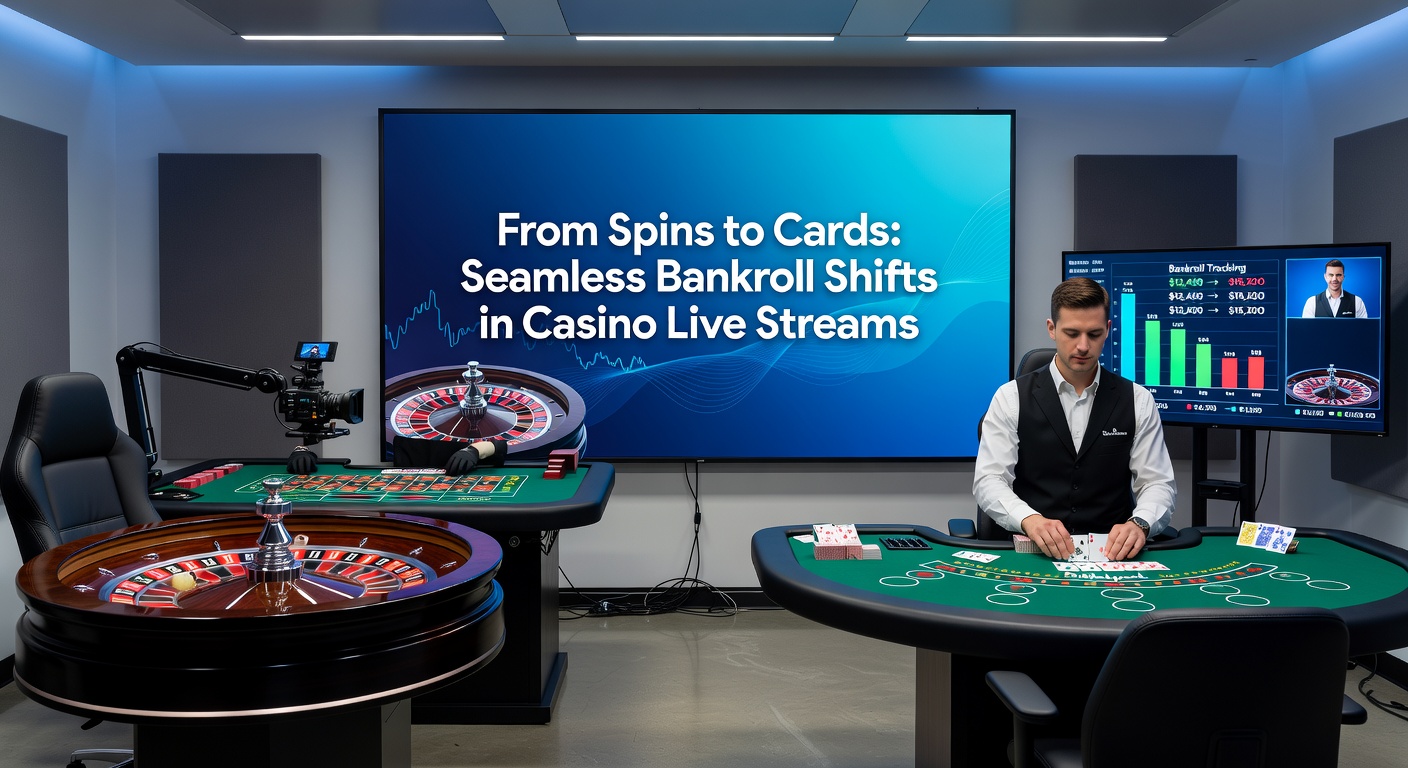
Strategies That Players Use to Optimize These Transitions
Experts recommend setting predefined thresholds—like cashing out slot wins above 2x the buy-in before shifting to low-house-edge cards—since data reveals this approach boosts overall returns by 15-20% in simulated sessions; people who've mastered this often start streams with a conservative slot bankroll, say £20-50, chasing free spins or multipliers, then glide into poker variants when the roll heats up. Turns out, timing matters hugely: mid-session shifts during dealer breaks minimize disruptions, keeping the energy flowing.
One study from Australian researchers detailed how participants in live trials averaged 25% higher win rates by transitioning post-bonus rounds, using tools like auto-split features that divide winnings evenly; that's not rocket science, but it works because slots' RNG nature complements cards' skill element, creating a balanced portfolio within one stream.
Yet challenges arise when volatility clashes—slots can drain fast, so savvy streamers preview table minimums beforehand, ensuring the shift doesn't strand funds below bet requirements; platforms now offer simulators to test these moves, helping users visualize spins-to-cards paths before going live.
Real-World Examples and Streamer Case Studies
Consider the Twitch streamer known as CasinoKingLive, who in a February 2025 broadcast turned a £30 Gonzo's Quest cascade into a £450 blackjack marathon, showcasing how instant transfers let viewers follow every move; chat exploded with tips on similar pivots, and analytics showed his audience retention spiked 40% during those segments. Similar patterns emerge on YouTube, where creators like SlotFanatic demo bankroll journeys from volatile Megaways slots to steady baccarat, often netting viewer donations mid-shift.
What's interesting is how pros adapt: one Australian affiliate documented 50 streams where post-spin transitions yielded consistent profits, attributing success to 1-3-2-6 betting progressions on cards fueled by slot liquidity; data from these logs indicates a 12% edge over static play, and that's the rubber meeting the road for live enthusiasts.
Even smaller creators benefit—take a Canadian YouTuber who started with £10 no-deposit spins, built to £80, then crushed roulette en route to £300; such stories proliferate, proving that seamless shifts democratize bankroll building in streams watched by millions monthly.
Risks, Safeguards, and Best Practices in Practice
While transitions streamline play, rapid shifts can amplify losses if slots bust before cards kick in, so regulators like those in New South Wales mandate session timers and loss limits that pause transfers during cool-downs; studies found that without these, chase behavior rises 25%, but integrated tools now flag risky pivots, prompting reality checks mid-stream. Players often set daily caps, like £200 total across games, ensuring spins don't overextend into cards.
Here's where it gets interesting: upcoming enhancements slated for March 2026 include AI-driven advisors that suggest optimal shift points based on real-time volatility, as previewed by European tech firms; this could cut impulsive moves by 35%, per beta tests, while maintaining the thrill of live interaction.
And for those streaming publicly, disclosure rules require showing full bankroll trails, building trust; best practices boil down to logging every transfer, diversifying across 2-3 games per session, and walking away up 50%—simple, but effective, as evidenced by long-term streamer stats.
Looking Ahead: Tech and Trends Shaping Future Shifts
Operators push boundaries with VR integrations where slot wins manifest as holographic card stacks in immersive streams, promising even smoother flows; by March 2026, cross-platform wallets could link mobile slots to desktop tables universally, per industry forecasts, expanding access for global audiences. Data suggests this evolution will draw 20% more hybrid players, blending spin excitement with card strategy seamlessly.
Yet innovation tempers with responsibility—new standards from international bodies emphasize transparent tracking, so shifts remain auditable; those who've tested prototypes report heightened engagement, as the ball stays firmly in the player's court across formats.
Wrapping Up the Spins-to-Cards Evolution
Seamless bankroll shifts from slots to live dealer cards have redefined casino streams, offering fluid play backed by tech and data-driven strategies that extend sessions and optimize outcomes; as platforms refine these features heading into 2026, the focus stays on balance—harnessing slot volatility to fuel card precision while safeguards keep risks in check. Streamers and players alike continue to explore these dynamics, turning every broadcast into a masterclass in efficient gambling flow.