Integrating Progressive Jackpot Activations into Live Table Rhythms via Tiered Bonus Architectures
Written by Parker Jenkins · Aug 25, 2026
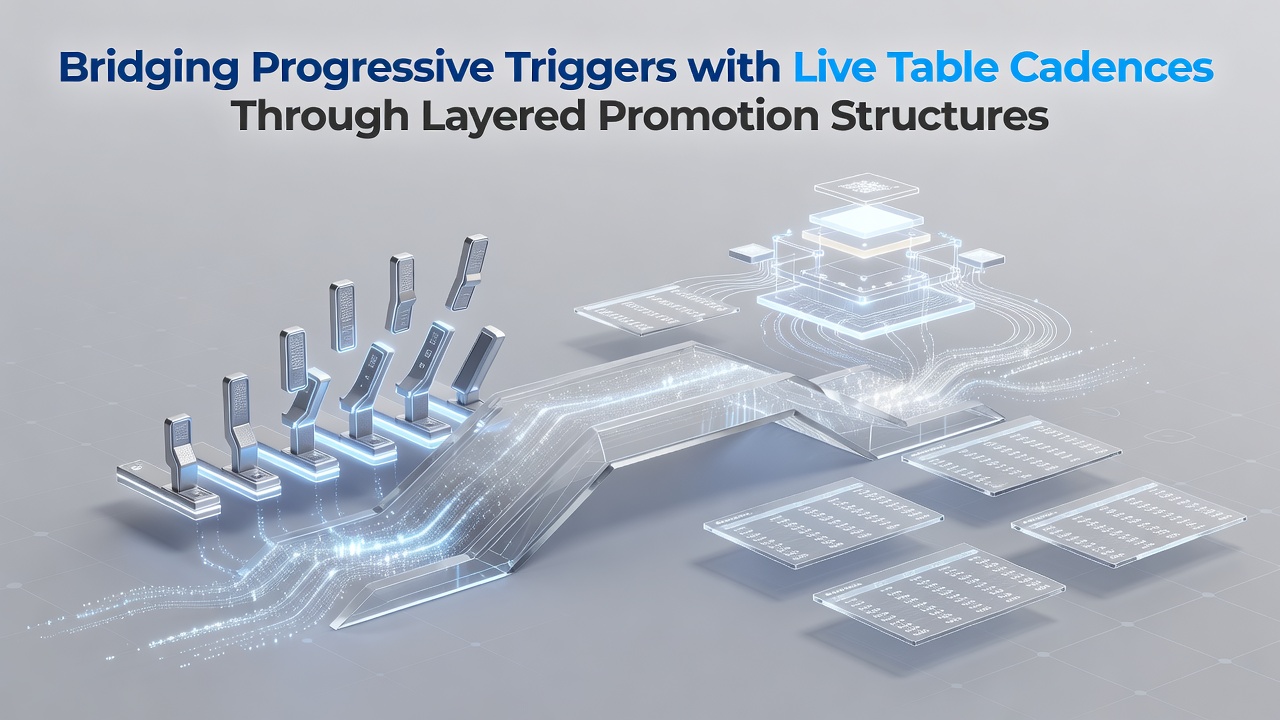
Integrating Progressive Jackpot Activations into Live Table Rhythms via Tiered Bonus Architectures
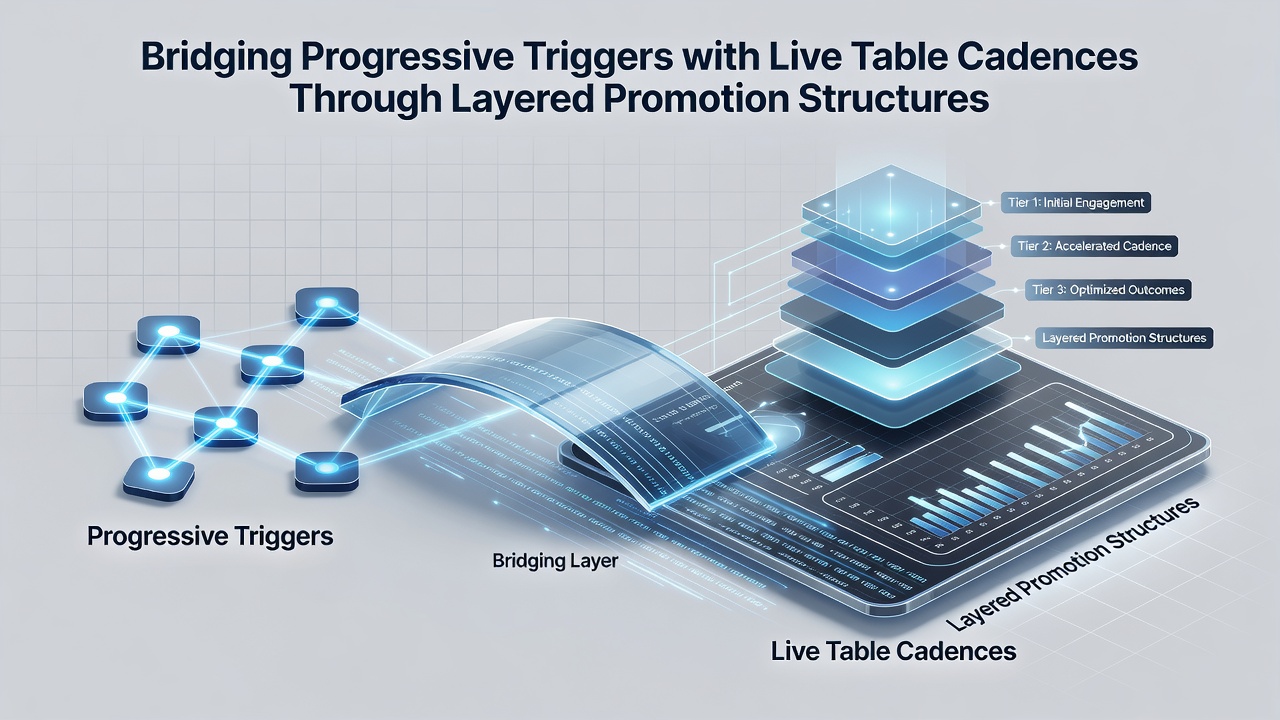
Operators have developed structured promotion systems that connect progressive jackpot triggers on slots with the pacing of live table games, creating pathways where bonus layers move value across game types without disrupting session flow. These frameworks rely on timed triggers, cumulative play thresholds, and multi-stage rewards that activate when certain conditions align between reel-based progressives and card or wheel outcomes at live tables.
Progressive Triggers and Their Role in Session Building
Progressive systems accumulate contributions from player wagers across networks, releasing major payouts when meters reach preset levels or when specific symbol combinations land. Data from industry reports indicate that these triggers often occur during extended slot sessions, generating lump sums that players then direct toward other offerings. Layered promotions capture portions of those winnings through conversion mechanics, such as matched play credits or free bet vouchers, which carry requirements tied to table game participation rather than additional reel spins.
Live Table Cadences and Pacing Considerations
Live dealer tables operate at variable speeds determined by dealer rotation, player count, and game rules, producing distinct rhythms that differ from the rapid spin cycles of slots. Observers note that promotions designed for table environments account for these cadences by offering time-limited boosts, such as enhanced payout multipliers during peak hours or streak-based rewards that reset with each hand or round. When operators link these elements to progressive wins, the result is a sequence where slot-derived funds support longer table engagements through staged bonus releases.
Layered Promotion Structures in Practice
Promotion architectures typically unfold across three or more tiers. The first tier unlocks upon progressive activation, delivering immediate credits with minimal wagering obligations. Subsequent tiers activate after players meet play volume targets at live tables, often measured in hands dealt or total decisions placed rather than simple time spent. A final tier may require combined metrics from both game categories, releasing premium rewards such as higher-limit access or exclusive table invitations. This approach distributes promotional value across game types while maintaining separate tracking for each layer.
One documented case from a North American operator showed that players who received tier-one credits from progressive triggers and then applied them at blackjack tables completed an average of 47 percent more hands before exhausting the bonus compared with players using standard deposit matches. Similar patterns appear in reports covering multi-jurisdictional operations where regulators track cross-game bonus usage.
Regulatory Context and August 2026 Developments
Beginning in August 2026, updated standards from the New Jersey Division of Gaming Enforcement will require clearer disclosure of how progressive-triggered bonuses convert across game categories, including live table environments. These rules emphasize transparent tracking of play requirements and prohibit automatic rollover of unused credits without player consent. Operators have adjusted their layered systems in advance, incorporating separate ledgers for each promotion tier to meet the forthcoming reporting obligations.
Industry associations such as the International Association of Gaming Regulators have published guidance documents outlining best practices for cross-product promotions, noting that jurisdictions in Australia and several Canadian provinces have already implemented comparable disclosure measures. Research from academic centers, including studies conducted at the University of Nevada, Reno, has examined player behavior under these structures, finding that clear tier definitions correlate with higher completion rates for multi-game bonus sequences.
Operational Implementation Across Markets
Implementation varies by platform. Land-based properties integrate these systems through player cards that log both slot meter contributions and table game decisions, triggering digital vouchers at predetermined thresholds. Online and hybrid environments use real-time APIs to move bonus balances between slot and live dealer lobbies while enforcing game-specific contribution percentages. In both settings, the layered model reduces abrupt session endings by providing intermediate rewards that encourage continued participation at tables after a progressive event.
Conclusion
Layered promotion structures provide measurable mechanisms for directing value from progressive jackpot triggers into live table play, supported by regulatory updates scheduled for August 2026 and documented usage patterns across multiple jurisdictions. These systems continue to evolve as operators refine tier thresholds and tracking methods in response to both player activity data and oversight requirements from bodies operating outside the United Kingdom.