Resource Distribution Strategies Connecting Slot Payout Structures with Table Game Durability in Bonus-Rich Casino Settings
Written by Sofia Ludwig · Jun 30, 2026
Resource Distribution Strategies Connecting Slot Payout Structures with Table Game Durability in Bonus-Rich Casino Settings
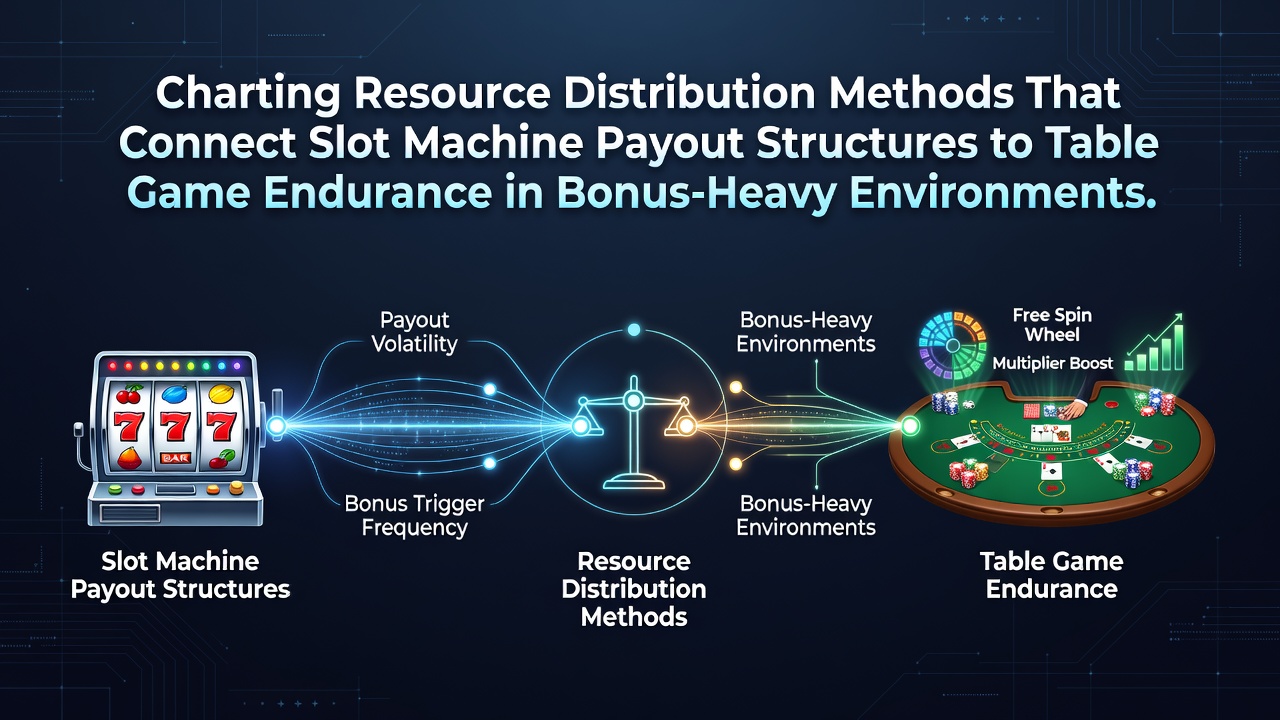
Resource distribution methods in modern casino environments focus on systematic approaches that align slot machine payout structures with the sustained play possible at table games, particularly when promotional bonuses amplify available funds, and these frameworks help operators and analysts track how initial reel-based returns feed into longer felt sessions without rapid depletion.
Data from industry reports shows average slot return-to-player percentages hover between 92 and 98 percent depending on jurisdiction and machine type, while table games maintain house edges from 0.5 to 5 percent across variants like blackjack and roulette; mapping these figures allows precise allocation of bonus credits so that volatility from high-variance slots transitions into lower-variance table endurance periods.
Core Mapping Techniques in Allocation Models
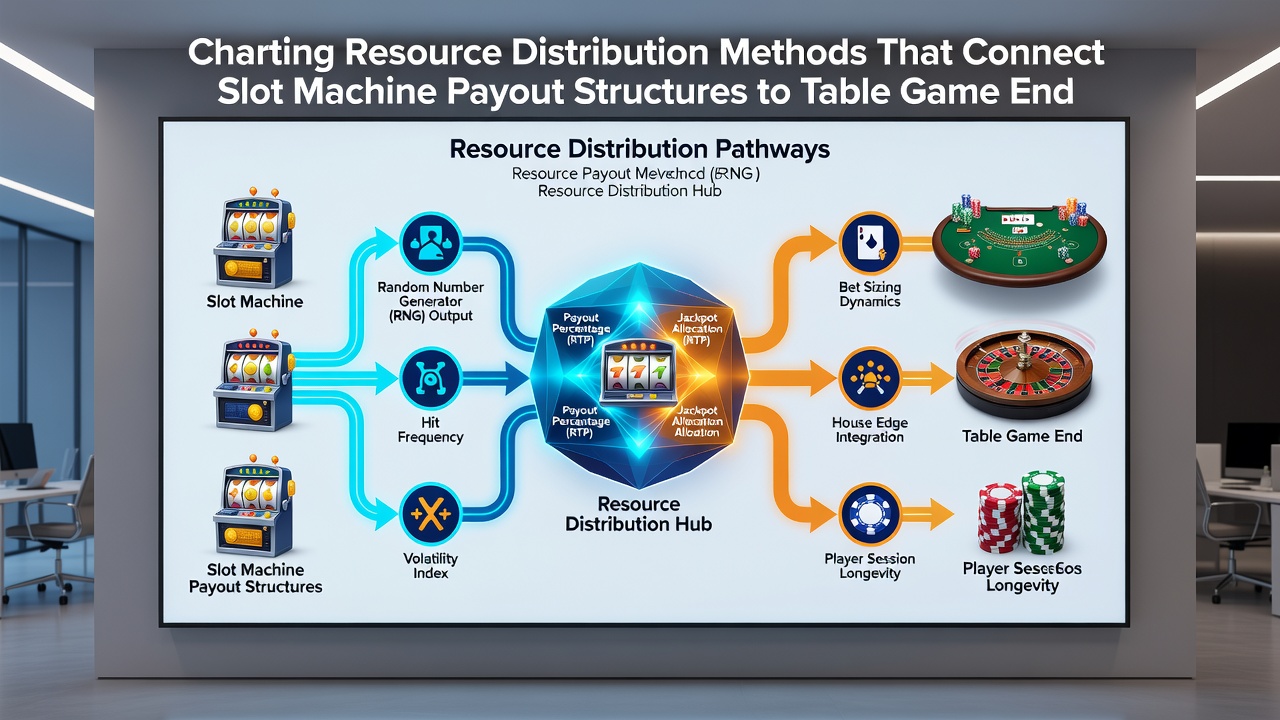
Allocation models begin with volatility indexing that categorizes slot machines by payout frequency and size, then routes portions of generated credits toward table game bankrolls using ratio-based formulas that account for expected session length, and this process incorporates bonus multipliers which extend the mathematical runway for table play by adjusting effective house edges downward during promotional windows.
One common method applies a distribution coefficient calculated from slot payout histories, where funds above a volatility threshold move into table reserves at rates such as 40 to 60 percent of net wins, while analysts adjust these ratios according to real-time data on table minimums and bonus expiration timers to maintain continuity across game types.
Integration of Bonus Mechanics with Payout Data
Bonus-heavy environments introduce layered credits that alter standard payout structures, so distribution strategies layer free spin or deposit match values onto slot returns before converting them into table chips through sequential transfers that respect wagering requirements, and this layering prevents premature exhaustion by timing conversions during peak bonus activation phases.
Studies from the American Gaming Association indicate that integrated bonus systems can increase average player session duration by 25 to 35 percent when allocation protocols prioritize table games after initial slot cycles, yet the exact extension depends on local regulatory caps and machine-specific return metrics rather than uniform application.
Practical Frameworks Observed Across Jurisdictions
Operators in Nevada and Australian markets employ software dashboards that visualize resource flows, connecting reel payout clusters to table endurance projections through algorithms that factor in June 2026 updates to promotional compliance rules in select regions; these dashboards display live metrics such as credit conversion velocity and remaining bonus lifespan to guide on-floor adjustments.
Researchers at institutions including the University of Nevada Reno have documented case examples where casinos using threshold-triggered reallocations maintained table occupancy rates 15 percent higher during bonus campaigns compared with static distribution approaches, because the models dynamically shift funds from high-volatility slots once predetermined win ceilings trigger transfers.
External data from the Australian Institute of Criminology further reveals that jurisdictions tracking these connections report lower variance in player expenditure patterns when slot-to-table pipelines incorporate endurance buffers calibrated to average table game cycle times of 45 to 90 minutes.
Measurement of Endurance Outcomes
Endurance metrics track total hands or spins completed before bankroll exhaustion, and distribution methods refine these outcomes by inserting intermediate checkpoints that rebalance remaining resources based on realized slot returns versus projected table requirements, while bonus conditions add temporary multipliers that stretch the calculated horizon without altering underlying probabilities.
Figures from regulatory filings in multiple North American and European markets demonstrate that casinos applying these calibrated methods achieve measurable gains in cross-game play continuity, with average table session extensions ranging from 12 to 28 minutes when slot payout data feeds directly into allocation rules.
Conclusion
Resource distribution strategies that connect slot payout structures to table game endurance operate through indexed volatility mapping, ratio-based fund transfers, and bonus integration protocols that collectively extend playable time in promotional settings, and ongoing refinements in data visualization tools continue to support precise application across varied casino landscapes while adhering to regional compliance standards.