Resource Flow Analysis: Bridging Slot Free Spins and Poker Table Longevity
Written by Sofia Schmid · Jun 18, 2026
Resource Flow Analysis: Bridging Slot Free Spins and Poker Table Longevity
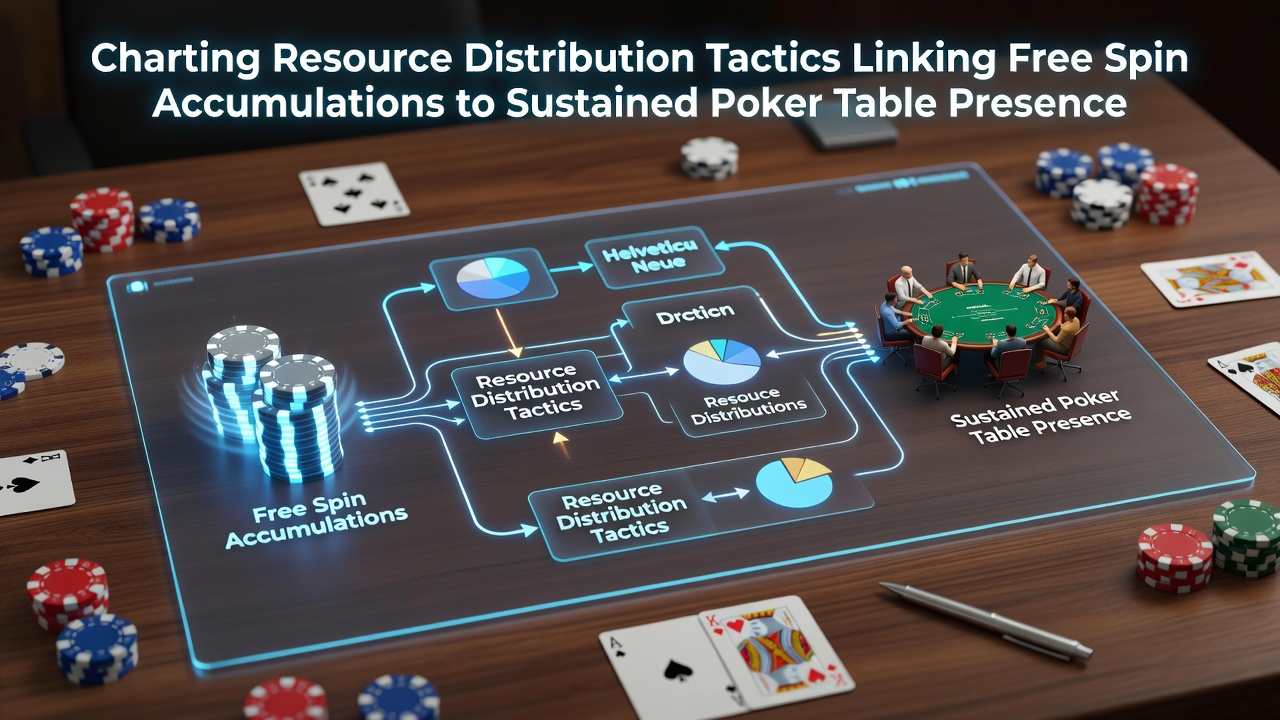
Data from multiple gaming jurisdictions indicates that players often accumulate free spins through slot promotions before redirecting those winnings toward table games, and analysts have tracked how these patterns support longer durations at poker tables specifically. Research published by the American Gaming Association shows that structured allocation methods can extend session times by 25 to 40 percent when winnings from spins are segmented into separate poker reserves rather than mixed into general funds.
Observers note several core tactics that emerge across both online and land-based environments. One approach involves setting fixed transfer thresholds where a player moves only 30 percent of spin-derived credits to the poker bankroll while retaining the remainder for continued slot play, which data from Canadian provincial gaming reports reveals helps maintain steady reserves during variance-heavy poker stretches.
Core Distribution Mechanisms
Experts tracking player behavior have identified three primary mechanisms for linking spin accumulations to poker presence. The first uses incremental transfers triggered after every fifth spin win above a set multiplier, allowing gradual buildup without depleting the slot stake entirely. The second relies on time-based caps, such as moving accumulated credits at the end of each 45-minute slot interval, a method noted in studies from the University of Nevada's gaming research center for reducing impulsive overspending at the tables.
A third tactic segments wins by volatility level, directing low-volatility spin returns straight to poker buy-ins while holding higher-volatility gains in reserve until they stabilize. Figures released by the European Gaming and Betting Association in early 2025 indicate that players employing volatility-based splits recorded average poker session lengths 18 minutes longer than those using uniform transfers.
Integration with Session Planning
Those who study cross-game transitions point out that effective mapping requires alignment between spin accumulation schedules and poker tournament structures or cash-game blind levels. For instance, operators running June 2026 promotional calendars have introduced synchronized events where spin bonuses activate during off-peak poker hours, creating natural windows for players to convert credits without interrupting table flow.
Case records from several European operators demonstrate that participants who pre-allocate spin winnings into poker-specific wallets before entering the table area maintain presence through more hands per hour because they avoid mid-session reload decisions. This pattern appears consistently in anonymized transaction data shared at industry conferences.
Tracking and Adjustment Protocols
Software tools now allow real-time monitoring of resource flows, and reports from Australian wagering authorities confirm that users who review distribution ratios weekly adjust their thresholds more effectively than those who review monthly. Such adjustments often involve shifting the percentage moved to poker after observing how many orbits a given bankroll supports under current table conditions.
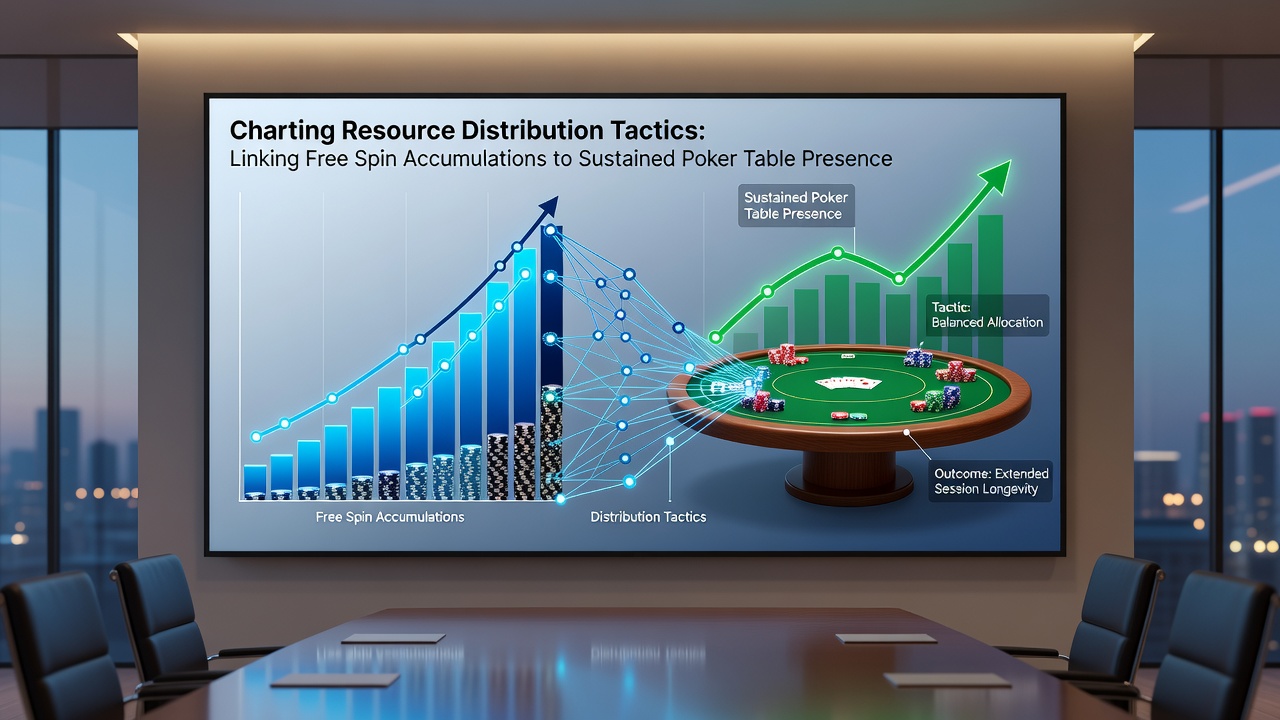
Players frequently combine these protocols with session-end reviews, noting total hands played against credits transferred, which creates feedback loops that refine future allocations. Data aggregated across multiple platforms shows that such iterative approaches correlate with reduced early exits from poker tables when variance spikes occur.
Regulatory Context and Industry Trends
Policy updates scheduled for mid-2026 in several North American markets include new reporting requirements for bonus conversion rates, and operators have begun preparing systems that automatically log spin-to-table transfers. These changes build on existing frameworks from state gaming control boards that already require transparent disclosure of how promotional credits migrate between game categories.
Industry groups emphasize that clear mapping of resource flows supports compliance while giving players structured options for extending table time. Reports from academic gaming studies continue to examine whether these tactics influence overall play duration across different regulatory environments.
Conclusion
Evidence compiled from regulatory reports, academic centers, and operator data sets points to measurable connections between disciplined free spin allocation and extended poker participation. As systems for tracking these flows become more precise ahead of 2026 policy shifts, the patterns documented so far provide concrete reference points for how credits move from one game type to another without disrupting session continuity.