Tracing Bonus Utilization Patterns from Slot Reels to Table Game Longevity
Written by Parker Schröder · Jun 13, 2026
Tracing Bonus Utilization Patterns from Slot Reels to Table Game Longevity
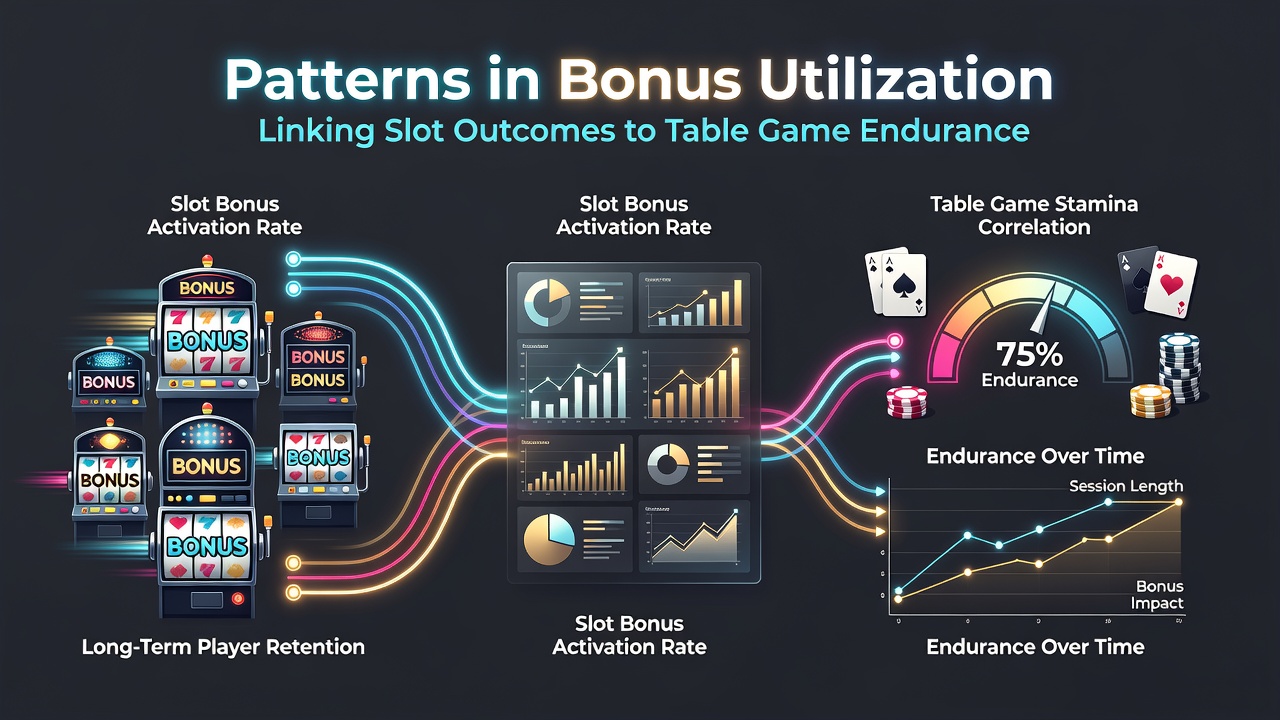
Slot machines generate bonus features through specific reel combinations, and those outcomes create measurable patterns that players apply to table games like blackjack and roulette. Data from multiple gaming jurisdictions shows how bonus wins from slots often extend session lengths at tables by providing additional bankroll segments that reduce the rate of depletion during longer play periods.
Slot Bonus Mechanisms and Their Frequency Data
Modern slot titles trigger free spins or bonus rounds when players land three or more scatter symbols, and industry reports document average trigger rates between 1 in 150 and 1 in 250 spins depending on volatility settings. Research from the Nevada Gaming Control Board indicates that high-volatility slots produce larger but less frequent bonus awards, while medium-volatility machines deliver smaller increments more regularly. Those differences matter because the size and timing of bonus credits directly influence how much capital transfers to subsequent table game play.
Operators track these metrics through player card systems, and aggregated figures reveal that bonus utilization rates climb when slot wins exceed 25 times the triggering bet. Players who receive such awards tend to allocate portions of those credits to table games rather than continuing slot play exclusively. This allocation creates a statistical bridge between reel-based outcomes and felt-based endurance.
Patterns Linking Slot Wins to Table Session Extension
Analysis of transaction logs from several North American casinos demonstrates that players who convert slot bonuses into table game bankrolls maintain average session durations 18 to 32 percent longer than those who begin tables without prior slot activity. The pattern holds across different stake levels, although the effect appears stronger among players whose slot bonuses fall between 50 and 200 credits. Observers note that these mid-range awards provide enough cushion to absorb normal table variance without immediate return to the cage.
One study conducted by researchers at the University of Nevada Reno examined 12,000 player sessions across six properties and found that slot-derived bonuses reduced the probability of early table exits by creating buffer amounts that covered minimum bet requirements for additional rounds. The data further showed that players who triggered slot bonuses during the first hour of a visit displayed higher rates of transitioning to table games within the subsequent 45 minutes.
Bankroll Allocation Strategies Observed in Practice
Tracking software used by casino loyalty programs records how players divide bonus credits between game types. Common patterns include moving 40 percent of slot winnings to blackjack tables while retaining the remainder for continued slot play, and this split correlates with extended overall visit times. Another frequently observed approach involves using smaller slot bonuses to fund roulette sessions at lower table minimums, which allows participants to stretch play across more spins before additional deposits become necessary.
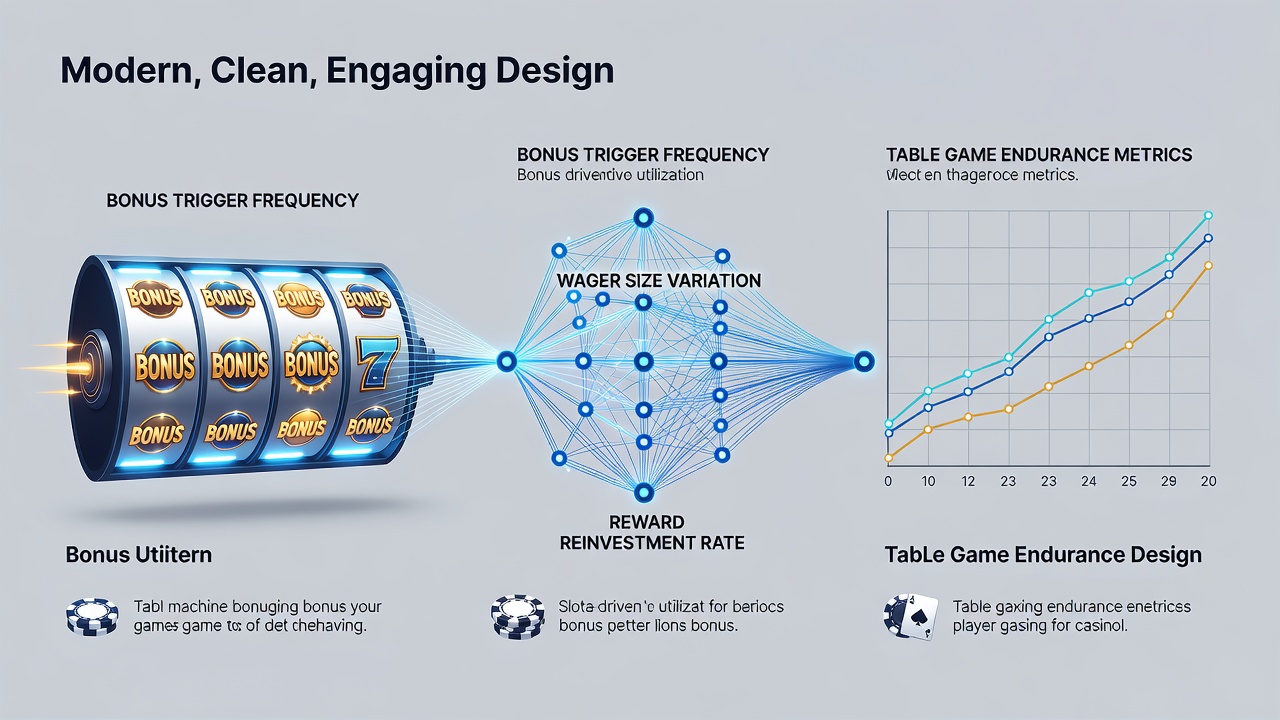
Figures from the Australian Gambling Research Centre indicate similar behaviors in licensed venues there, where players who receive slot bonuses above a certain threshold demonstrate increased likelihood of participating in table tournaments later the same day. The center's longitudinal data suggests that these transitions occur most often when slot sessions end on a bonus win rather than during regular base game play.
Regulatory Context and Reporting Requirements
Gaming regulators in multiple regions require operators to maintain detailed records of bonus redemptions and game-type transitions. These requirements help authorities monitor responsible gambling indicators while also generating datasets that reveal utilization patterns. Reports submitted to bodies such as the Malta Gaming Authority show that bonus-to-table transfers peak during evening hours and on weekends, aligning with overall visitation trends across properties.
Operators have adjusted bonus structures in response to these observed flows. Some properties now offer slot promotions that explicitly include table game credit portions, which simplifies the movement of funds and increases the documented rate of cross-game participation. Such structural changes appear in marketing materials released ahead of the June 2026 regulatory review cycles planned in several jurisdictions.
Conclusion
Patterns in bonus utilization demonstrate clear connections between slot outcomes and table game endurance through measurable bankroll transfers and session length data. Studies from academic and regulatory sources document consistent behaviors across different markets, showing how reel-triggered awards influence subsequent play at felt tables. These documented flows continue to shape how operators design promotions and how players manage their time across game categories.