Volatility Bridges: Aligning Live Dealer Patterns with Progressive Triggers Across Extended Play Sessions
Written by Sofia Schmid · Jun 9, 2026
Volatility Bridges: Aligning Live Dealer Patterns with Progressive Triggers Across Extended Play Sessions
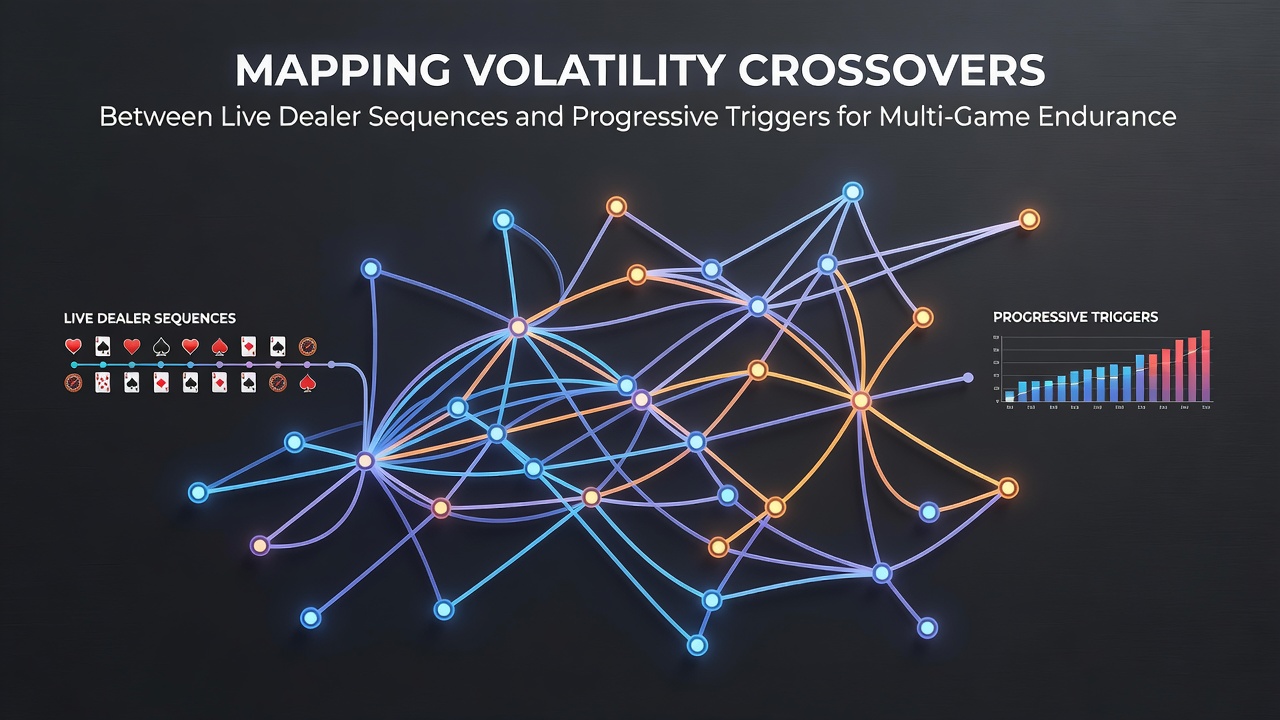
Mapping volatility crossovers requires tracking how live dealer sequences shift in rhythm compared to progressive triggers that activate during multi-game endurance runs, and data from regulatory reports highlight measurable patterns in payout variance across table games and jackpot slots. Observers note that live dealer rounds often follow clustered sequences where short-term streaks create temporary stability, whereas progressive mechanisms build toward infrequent but high-impact events that reset bankroll expectations.
Understanding Sequence Dynamics in Live Dealer Environments
Live dealer tables generate sequences influenced by card distribution cycles and wheel outcomes, and researchers have documented how these patterns interact with player endurance when sessions extend beyond standard durations. Data indicates that blackjack and roulette rounds exhibit variance clusters that players can monitor through statistical tracking tools, while progressive slots introduce separate trigger probabilities that demand separate allocation models. Those who've studied session logs find crossover points emerge when table variance dips coincide with progressive meter thresholds nearing activation levels.
Industry figures reveal that endurance play across formats benefits from recognizing these transition zones, and case studies from multi-jurisdictional operators show bankroll preservation improves when sequences are mapped against progressive accumulation rates. And because live dealer games typically carry lower volatility than many jackpot titles, the crossover strategy focuses on timing entries into progressive rounds during stable table phases.
Progressive Trigger Mechanics and Their Interaction Points
Progressive triggers operate on independent probability engines that accumulate contributions across networked machines, and reports from the American Gaming Association detail how these systems create distinct volatility spikes separate from live dealer flows. Experts observe that trigger events often align with specific contribution milestones, creating windows where prior table earnings can fuel extended attempts without disrupting overall session capital. Those monitoring meter growth patterns note that certain progressive networks display predictable acceleration phases tied to player volume increases.
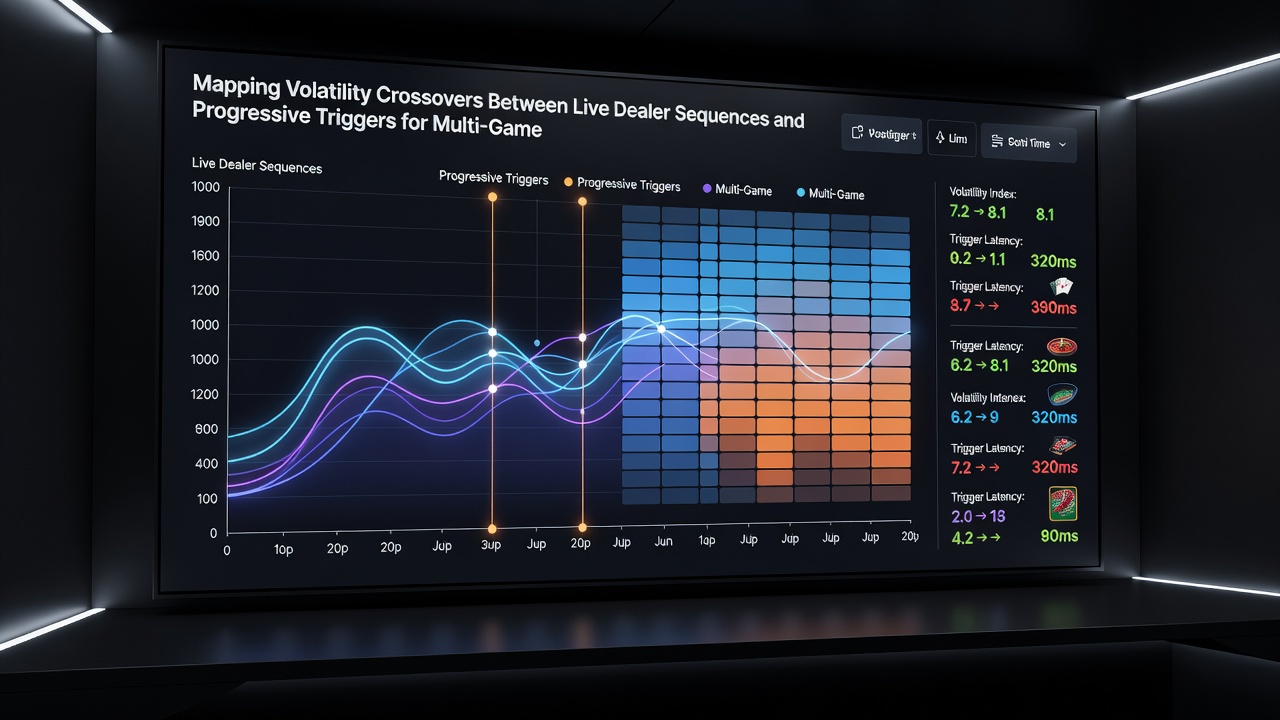
June 2026 data releases from the Nevada Gaming Control Board highlighted updated modeling techniques for tracking these interactions, showing how operators adjust floor configurations to support longer multi-game runs. Research indicates that identifying crossover moments allows allocation adjustments where live dealer stability offsets progressive variance exposure. Players who apply these mappings often segment sessions into phases that alternate between table precision and jackpot pursuit.
Bankroll Allocation Models for Crossover Endurance
Effective models divide total capital into segments calibrated to each format's volatility profile, and academic studies from the University of Nevada Reno have quantified how such divisions extend playing time when sequences cross between dealer tables and progressive systems. Data shows that maintaining reserve portions for progressive attempts during live dealer downswings prevents premature session termination. Observers note that successful endurance strategies incorporate real-time variance indicators from both game types rather than fixed percentages alone.
European Gaming and Betting Association publications describe software tools that flag potential crossover opportunities by comparing current table streak metrics against progressive contribution rates. These systems help identify when table-derived funds can transfer into progressive rounds at moments of favorable alignment. And because progressive triggers remain independent of table outcomes, the mapping process relies on probability overlays rather than direct causation.
Practical Implementation Across Multiple Venues
Operators in regulated markets have begun integrating sequence monitoring displays that assist players in recognizing volatility shifts, and reports confirm these features appear more frequently in venues emphasizing extended session formats. Case examples demonstrate that players tracking both live dealer rhythms and progressive meter movements achieve more consistent endurance metrics. Data from multi-site analyses indicates measurable improvements in session length when crossover points guide movement between game categories.
Additional studies emphasize the value of maintaining separate tracking logs for each volatility type, allowing quick reference during transitions. Those applying the approach report structured decision points where table performance informs whether to engage progressive triggers or maintain current allocation. The process continues evolving as new analytical tools emerge from research institutions focused on gaming mathematics.
Conclusion
Volatility crossover mapping between live dealer sequences and progressive triggers provides a framework for managing multi-game endurance through structured observation and allocation adjustments. Available data from regulatory and academic sources demonstrates how these techniques support sustained sessions when applied consistently across different game formats. Continued development of monitoring tools and reporting standards promises further refinement of these methods in coming periods.